Fynsa

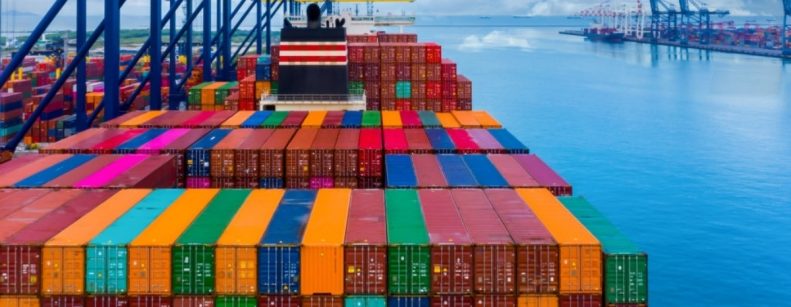
Durante las últimas décadas, el just-in-time ha sido uno de los mantras de la industria manufacturera, construyendo las actuales cadenas de suministro globales, indispensables para asegurar el abastecimiento justo y a tiempo de todos los componentes para la fabricación de un producto.
La guerra comercial entre EEUU y China primero y la pandemia después –y el caos que provocó en la cadena de suministro—ha vuelto a poner en boca de la industria logística el concepto de just-in-case, es decir, contar con disponibilidad o inventarios de los componentes para no depender de proveedores lejanos y susceptibles de quedar atrapados en conflictos geopolíticos.
La nueva idea de just-in-case no significa volver a la vieja usanza de mantener grandes inventarios de componentes. Más bien, engloba conceptos como el nearshoring y el nuevo friendshoring: desarrollar fuentes de suministro cercanas y en territorios geopolíticamente confiables.
Para el mercado de EEUU, América Latina puede cumplir ese rol. Es una oportunidad que los miembros del CAFTA-DR (el tratado de libre comercio de América Central más República Dominicana) están deseosos de aprovechar, potenciando la fuerte integración que ya tienen en algunas industrias, como la textil y la de insumos médicos.
Según el presidente del Banco Interamericano de Desarrollo, Mauricio-Claver Carone, si América Latina logra capturar el 15% de las importaciones de los 10 mayores proveedores de EEUU ubicados fuera del hemisferio occidental, podría aumentar sus exportaciones en US$70.000 millones anuales.