Fynsa

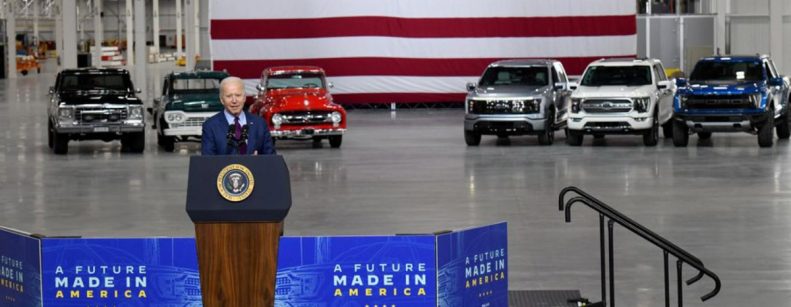
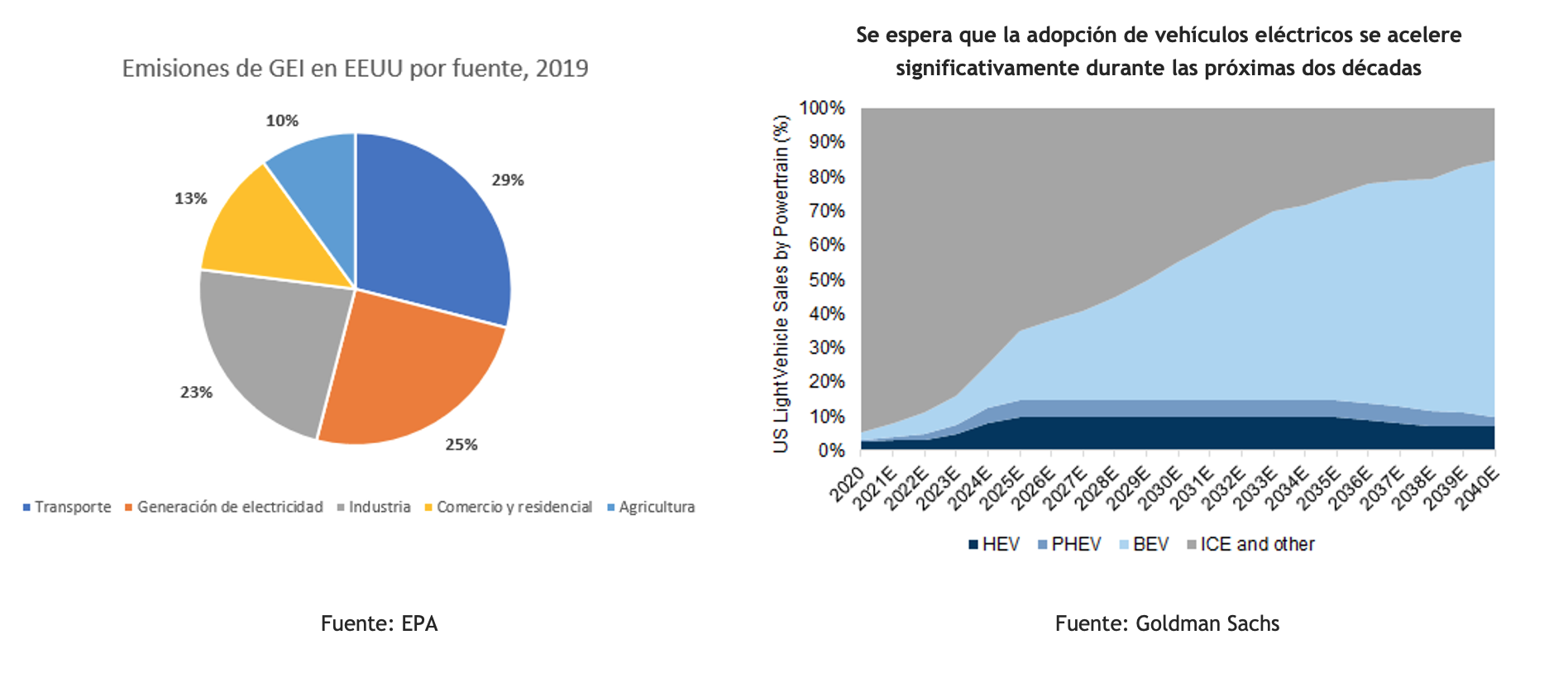
El presidente de EEUU firmó una orden ejecutiva que establece como meta que el 50% de los vehículos livianos que se vendan en el país a partir de 2030 sean libres de emisiones (eléctricos, híbridos y de celdas de combustible). Esto significará un gran salto, teniendo en cuenta que en 2020 solo el 2% de los vehículos livianos vendidos en el mercado estadounidense fueron eléctricos. Si bien la orden no es vinculante, busca acelerar la transformación de la economía hacia una de bajas emisiones. El sector transporte es la principal fuente de emisiones de gases de efecto invernadero en EEUU.
La meta, de todas formas, no es muy lejana que la que ya habían establecido algunos grandes fabricantes. Ford había anunciado hace unos meses su objetivo que el 40% de sus ventas en 2030 fueran de vehículos eléctricos, mientras que General Motors planea solo producir vehículos eléctricos a partir de 2035. Un elemento clave para el éxito de los planes de la Casa Blanca es extender de forma masiva las estaciones de carga para vehículos eléctricos.
En total, el objetivo de ventas de vehículos eléctricos y el estándar de emisiones revisado pondrían a los Estados Unidos en el camino correcto para reducir las emisiones de gases de efecto invernadero de los nuevos vehículos de pasajeros en más del 60% en 2030 en comparación con 2020, según el comunicado de la Casa Blanca, lo que facilitaría el objetivo de 50 años de la administración Biden de -52% de reducción neta de GEI en 2030 (por debajo de los niveles de 2005).
Áreas de inversión adicionales: la administración de Biden también discutió sus prioridades de inversión para impulsar la adopción de vehículos eléctricos en los EEUU, Que incluyen: 1) una red nacional de estaciones de carga de vehículos eléctricos públicos; 2) incentivos al consumidor en el punto de venta; 3) financiar el reacondicionamiento y la expansión de la cadena de suministro de fabricación nacional; y 4) invertir en tecnologías limpias de próxima generación. En los EEUU, el último marco de infraestructura bipartidista propone una inversión de US$ 15 bn en electrificación, incluidos US$ 7.5 bn para la infraestructura de vehículos eléctricos (recuerde que la administración de Biden tiene el objetivo de instalar 500K nuevos puntos de carga públicos para 2030) y US$ 7.5 bn para autobuses eléctricos y transporte público.