Fynsa

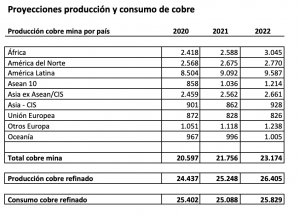
El cobre, al igual que las otras materias primas, han estado en la discusión económica en los últimos días. Los temores a la inflación y el anuncio del gobierno de China de vigilar más de cerca los mercados para proteger a los consumidores frente al alza de los precios de las materias primas han enfriado los ánimos frente a un esperado súper ciclo de precios. Cochilco, por su parte, revisó al alza sus proyecciones de precio promedio para el cobre para 2021, ubicándolo en US$4,3 la libra. La preocupación sobre el futuro del cobre continuará en las próximas semanas, alimentadas pro el mayor riesgo político que presentan Chile y Perú, que representan casi la mitad de la producción de cobre de mina. Los resultados de las elecciones en Chile de este fin de semana y la segunda vuelta de la elección presidencial en Perú el próximo 6 de junio, donde el candidato izquierdista Pedro Castillo muestra una ligera ventaja en las encuestas, están causando incertidumbre en el mercado. En ambos casos el panorama está marcado por el fantasma de un agresivo aumento de los impuestos a la minería (en Chile ya hay un proyecto de ley en discusión en el mercado). Lundin Mining, por ejemplo, anunció que pondrá en el congelador un plan de inversiones de US$500 millones que tenía para sus operaciones chilenas. Mientras tanto, veamos en este cuadro cómo proyecta la producción y el consumo de cobre el International Copper Study Group.