Fynsa

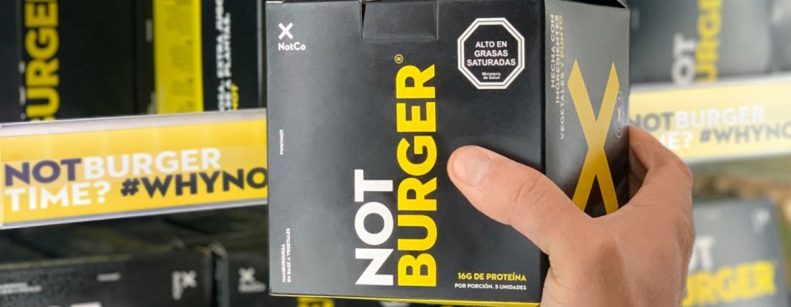
A fines de julio, la foodtech chilena NotCo se convirtió en unicornio, tras recaudar US$235 millones en su cuarta ronda de financiamiento. NotCo es la mayor foodtech de América Latina y se suma a un creciente ejército de empresas similares que ha explotado en todo el mundo en poco tiempo. Según algunas estimaciones, el mercado de carne producida a partir de proteínas vegetales alcanzará los US$140.000 millones para el 2029, diez veces más que en 2019. Boston Consulting Group, por su parte, estima que los productos elaborados con proteínas alternativas podrían alcanzar el 11% del mercado de carne, lácteos y huevos para el 2035 en su escenario base y 22% en su mejor escenario. ¿Las claves de esta naciente industria? Tecnología, tecnología y tecnología.
NotCo, por ejemplo, usa inteligencia artificial para desarrollar sabores y texturas similares a los productos originales. Las estadounidense Benson Hill, por su parte, ha creado CropOS, que utiliza IA y machine learning para desarrollar variedades de las plantas más utilizadas como fuente de proteína alternativa –soya y arvejas amarillas—de mejor calidad, mayor productividad y menor consumo de agua y energía. Otro ejemplo es Nature Fynd, que anunció en julio una tercera ronda de financiamiento de US$350 millones y que crea productos lácteos y cárnicos alternativos con una proteína de hongos altamente versátil producida a partir de un microbio originado en las fuentes geotérmicas del Parque Yellowstone, consumiendo solo una fracción del agua y la energía de los productos tradicionales.
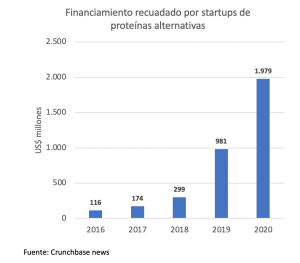
Esto ha despertado el apetito de los inversionistas. El financiamiento para estas empresas ha crecido de forma exponencial, principalmente de fondos de private equity. ¡Bon apetit!