Fynsa

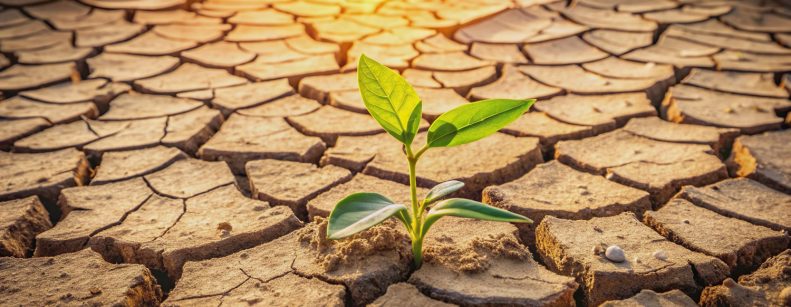
El cambio climático lo hace de nuevo. El mercado de materias primas alimentarias se ha visto nuevamente alterado debido a los efectos de distintos eventos climáticos registrados en distintas partes del planeta y que impactan las cosechas. Este es un resumen preparado por Bloomberg sobre algunos productos clave:
Café. Ya habrá notado que el precio del café en el supermercado, tanto instantáneo como de grano, se ha disparado. La principal razón está en la oferta. Los agricultores brasileños esperan una cosecha reducida en la actual campaña debido a los efectos del clima, mientras que en Vietnam e Indonesia una menor cosecha y el descenso de la superficie cultivada han recortado su oferta. Brasil es el mayor productor de café del mundo, mientras que Vietnam e Indonesia son el segundo y tercero, respectivamente. En la industria se espera que los precios continúen aumentando hasta mediados del próximo año debido a la menor oferta de los principales productores.
Cacao. Para los amantes de los chocolates el panorama no pinta mejor. Las malas condiciones climáticas para el cultivo de este producto han golpeado la producción del oeste de África, incluyendo Costa de Marfil, el mayor productor de cacao del mundo por lejos. Los precios al público de los chocolates y productos derivados del cacao no han subido hasta ahora debido a que los fabricantes contaban con importantes stocks de cacao adquiridos cuando los precios estaban bajos, pero tendrán que reemplazarlos en un mercado con menor oferta y precios al alza, y terminarán traspasando el mayor costo a los consumidores. La pregunta es qué tan elástica será la demanda ante los mayores precios.
Granos. La historia es aquí al revés. Las lluvias que dejó el huracán Beryl en algunas zonas de Estados Unidos han sido beneficiosas para la producción de granos en este país, llevando los futuros de maíz y soya en la Bolsa de Chicago a sus menores niveles desde 2020.
Inflación alimentaria en China. Un verano extremadamente cálido, junto a sequías en ciertas partes del país e inundaciones en otras, han puesto en peligro las cosechas de trigo, maíz, soya y arroz, amenazando con un rebrote de inflación alimentaria en el gigante asiático, señala Bloomberg. A futuro, el Centro Nacional del Clima de China advierte que el país estará afectado por eventos severos asociados al cambio climático.