Fynsa

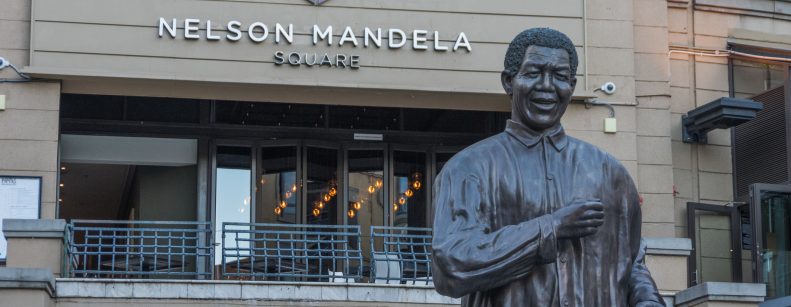
El pasado jueves 22 de abril tuvimos a uno de los líderes políticos más importantes del siglo XX, como tema de nuestro último webinar sobre historia y actualidad.
Como todo personaje de carne y hueso, se lo puede querer mucho o muy poco.
Mandela logró que “quererlo mucho” fuera la opción de la gran mayoría. Quienes lo conocieron personalmente afirmaban que era una persona cercana, con un enorme e indiscutible carisma, compromiso y convicción. Un líder de esos que mueven e inspiran.
Más allá de todo lo que logró -terminar con el sistema de segregación racial que estuvo a punto de llevar a Sudáfrica a una guerra Civil a principios de los noventa, ser el primer presidente de raza negra de ese país, ganar el premio Nobel de la Paz en 1993,- el gran mérito de Mandela fue el cómo lo logró.
Madiba, como le decían, usó de manera inteligente y astuta cada una de las oportunidades que tuvo a su alcance.
Mientras estuvo en la cárcel (en total 27 años) se dio cuenta que debía ganarse la confianza y el afecto de sus oponentes para salir de ahí (estaba condenado a cadena perpetua). Y pudo ver que eso en la práctica significaba, entre otras cosas, aprender el afrikáner, la excluyente lengua que sólo usaban los blancos.
También usó el deporte, de manera magistral, para unir a blancos y negros, demostrándoles a todos sus compatriotas que la unión y el apoyo a la selección nacional de rugby (que ganó de manera épica en los descuentos la Copa Mundial de Rugby de 1995, ante los casi invencibles neozelandeses) podía traducirse también en el apoyo a una democracia multirracial, donde todos tenían cabida.
Su gran legado fue promover caminos para la resolución pacífica de los conflictos, y demostrar que los cambios son posibles y que las diferencias raciales e ideológicas no son impedimento para ver progresar a un país entero.
“Todo parece imposible hasta que se hace”, decía él.
Magdalena Guzmán L.
Periodista y magister en Ciencia Política.