Fynsa

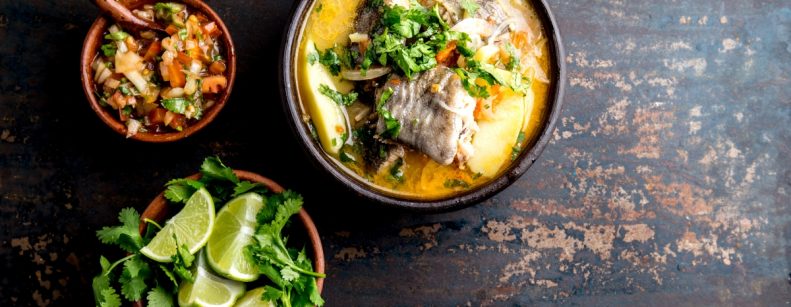
Un amplio debate generó en las redes sociales y medios de comunicación la “denuncia” de un comensal del mercado de Angelmó, quién, muy molesto, publicó la cuenta de lo que ordenaron, la que alcanzó los 162 Mil pesos. En ésta, una de las cosas que más se destacó fue el precio de la paila marina, por la que le cobraron 18 Mil pesos. Independiente de las irregularidades que el local pudo presentar, como no exponer los precios -aunque al parecer tampoco se pidieron- o no entregar boleta, me interesa analizar las razones que pueden hacer que un plato de la zona, popular, pueda llegar a costar casi 20 Mil pesos.
Durante la semana, conocimos el IPC de enero, el que aumentó 1,2% respecto al mes anterior, lo que se encontró muy por sobre las expectativas. De esta manera, la inflación interanual llegó a 7,7%, variación que no se observaba desde noviembre del año 2008. Preocupante fue el incremento de la inflación subyacente (particularmente el IPC sin volátiles), la que también subió 1,2% en su comparación mensual. Cuando vamos a las divisiones, las mayores incidencias mensuales se observaron en Transporte (0,395 puntos porcentuales) y alimentos y bebidas no alcohólicas (0,330 puntos porcentuales). Restaurantes y hoteles también presentaron una incidencia importante, la que llegó a 0,110 puntos porcentuales. Si es que omitimos las participaciones que cada una de estas divisiones tienen en la canasta (lo que conocemos como ponderación) y sólo vemos las variaciones interanuales, el orden cambia un poco: Transporte lidera por lejos, con un 20,9%, secundado por Recreación y cultura (14,0%) y restaurantes y hoteles (11,0%). Alimentos queda un poco más abajo, en la medianía de la tabla, con un 6,0%.
Menciono lo anterior, porque el presidente de la Asociación Chilena de Gastronomía (ACHIGA) intentó explicar el elevado precio de los platos basándose en el aumento de costos que ha enfrentado la industria. Menor aforo, implementación de medidas sanitarias, aumento del precio de los alimentos y el transporte, entre otros; han impactado el negocio y, en palabras de él: “Eso se traspasa finalmente al cliente”. Yo no tengo idea cuánto costaba una paila marina en Angelmó hace un poco más de dos años (mi última visita allá fue hace más que eso), pero me da la sensación de que el alto nivel -que es una cosa- de precio no tiene necesariamente mucho que ver con el alza de costos recientes. No creo que antes de la pandemia los platos hayan costado, no sé, 4 Mil pesos y que todo el extra es culpa de los costos. Una cosa es inflación, que es un aumento generalizado de precios, pero otra distinta es que, afrontando los mismos incrementos de costos, una paila en Angelmó cueste veinte lucas y otra en un afamado restaurant de pescados y mariscos, en Providencia, menos de la mitad.
Veamos, entonces, la otra parte de la historia. Porque usualmente se nos olvida que, en una economía de libre mercado -o lo que más se le parece-, las empresas no pueden hacer nada sin una demanda por sus productos, la que está compuesta por todos nosotros, los consumidores. Partamos de la idea de que un plato en un restaurant es más caro que la simple suma de sus componentes básicos (la comida): el lugar, la atención, la tradición, el prestigio, etc., etc. Por lo tanto, intentar hacer un análisis basado solo en cuanto cuesta el kilo de pescado o almejas es irrelevante. Como también lo es hacer uno comentando que las cocinerías tienen piso de tierra, mantel plástico o una banca para sentarse. Todo lo anterior, para fundamentar el carácter de “robo” de la cuenta. Sin embargo, el mismo detalle de la historia que cuenta la persona que inició la “funa” es importantísimo. Y cito: “Como todos sabemos, febrero es la época de vacaciones, entonces Angelmó estaba llenísimo, no encontrábamos estacionamiento. De hecho, entramos a una cocinería donde había una mesa disponible. Entramos, pedimos, comimos unos platos típicos”. Piso de tierra, mantel de plástico, bancas para sentarse, etc., pero todo el sector estaba llenísimo. Con suerte pillaron una mesa. O sea que, cobrando 18 Mil pesos por una paila marina, los locatarios tenían todas las mesas llenas. Acá voy a insistir, no voy a defender que no estén los precios, que no se entregue boleta, pero nosotros los consumidores tenemos un rol que cumplir si es que nos parece que un precio es excesivo. Ese rol poderoso recae en no comprar, en irse, en no validar malos tratos o un servicio deficiente.
Por lo tanto, ¿por qué una paila marina cuesta 18 Mil pesos? Porque hay alguien dispuesto a pagar 18 Mil pesos por una. O 5 Mil pesos por un café. O medio millón de pesos por un concierto.
Nathan Pincheira
Economista Jefe de Fynsa