


Fynsa

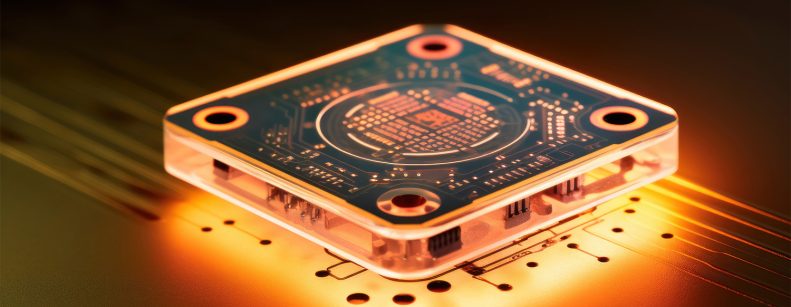
Esta semana, Google presentó su nuevo chip cuántico “Willow”, un dispositivo capaz de resolver problemas de cálculo en menos de 5 minutos, mientras que a los supercomputadores más rápidos que existen hoy en día, la misma operación le tomaría 10 mil trillones de años.
Este innovador chip aprovecha los principios de la física cuántica, un campo que utiliza las propiedades de partículas subatómicas para realizar cálculos a una velocidad impresionante.
Desarrollado por el equipo de Google Quantum AI, este chip persigue el objetivo de construir un ordenador cuántico “funcional y a gran escala” capaz de utilizar la mecánica cuántica “en beneficio de la sociedad”, como el descubrimiento de medicamentos, el desarrollo de alternativas energéticas y la ciberseguridad, entre otros.
De la teoría a la práctica
Aunque los chips cuánticos pueden resolver ciertos problemas en tiempo récord, su aplicación real está en sus primeras etapas. Willow, por ejemplo, es considerado un dispositivo experimental, lo que significa que todavía falta para lograr computadoras cuánticas lo suficientemente potentes como para enfrentar desafíos complejos de la vida diaria. De todas maneras, y a pesar de ello, el progreso es innegable.
Hartmut Neven, jefe del laboratorio de Google que desarrolló Willow, sostiene que “este chip representa un gran avance en el campo de la corrección de errores”, una de las barreras más complicadas para hacer funcional la computación cuántica a gran escala. En este sentido, se espera que este tipo de dispositivos puedan acelerar procesos que requieren grandes capacidades de cálculo.
La tecnología cuántica promete grandes beneficios, pero también plantea riesgos, como el potencial uso de estos chips para vulnerar sistemas de cifrado, lo que pone en alerta a diferentes empresas. Apple, por ejemplo, ya trabaja en “cifrado a prueba de cuántica” para proteger datos sensibles.
Desafíos clave
Google ha explicado que uno de los mayores obstáculos para la computación cuántica son los errores, que se producen porque los cúbits —la unidad mínima computacional de un dispositivo cuántico— tienden a intercambiar información con su entorno de manera muy rápida. Esto dificulta la protección de la información necesaria para completar un cálculo.
Así, cuantos más cúbits se usan, más errores se producen, hasta el punto de conseguir que el sistema se vuelva clásico. No obstante, con Willow se ha logrado reducir errores, lo que representa una mejora significativa respecto a los modelos anteriores.
En el plano científico, a este logro se le denomina “mantenerse por debajo del umbral”. Se trata de un avance “histórico” que no se había resuelto desde su planteamiento en 1995.
A medida que la tecnología cuántica avanza, es crucial seguir investigando y desarrollando soluciones para superar los desafíos actuales. El chip “Willow” es sólo el comienzo de una nueva era en la computación, una que promete revolucionar múltiples industrias y mejorar la calidad de vida a nivel global.


