


Fynsa

El precio del cobre está en máximos históricos, a medida que la demanda se mantiene fuerte y los inventarios en niveles mínimos. Pero las buenas noticias son relativas para los productores. Por distintos motivos, algunos de los grandes productores de este metal han debido ajustar a la baja sus proyecciones de producción para el 2022. BHP, Anglo American y Antofagasta Minerals y Codelco comenzaron el año con mal pie, reportando caídas de producción en el primer trimestre de 2022 y proyectando una menor producción que la esperada para todo 2022. Codelco, el mayor productor de cobre del mundo, también reportó una menor producción en el primer trimestre.
Otros gigantes mineros, como Glencore y Rio Tinto, también han ajustado a la baja sus proyecciones de producción para el año. Aparte de los efectos de la pandemia, las principales razones están asociadas al envejecimiento de las minas –con una decreciente cantidad de cobre por tonelada de material- factores climáticos y, especialmente en Chile, problemas de disponibilidad de agua.
Las perspectivas a largo plazo, según los analistas, no son tan propicias. Las dificultades para obtener los permisos ambientales y la oposición social a la construcción de proyectos mineros ponen en jaque los planes de aumento de producción. Las autoridades ambientales, en Chile, por ejemplo, rechazaron en abril el proyecto Los Bronces Integrado de Anglo American, una inversión de US$3.300 millones para prolongar la mina Los Bronces, ubicada cerca de Santiago.
El entorno político tampoco ayuda. La firma global de análisis de riesgo Fitch Solutions recortó sus proyecciones para la producción chilena de cobre a largo plazo citando las posibilidades de cambios regulatorios para el sector provenientes de la nueva Constitución y de las políticas del nuevo gobierno, además de la creciente oposición socioambiental. Fitch estima que la producción chilena de cobre seguirá creciendo, pero a un menor ritmo, alcanzando los 7,2 millones de toneladas para el 2031, significativamente menor que el estimado anterior de 8,9 millones de toneladas.
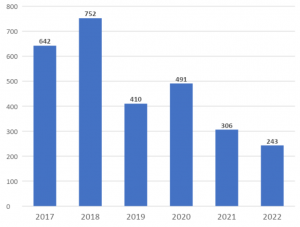 Fuente: Cochilco

