Fynsa


En los últimos años ha habido un aumento en el apetito de inversionistas por los negocios inmobiliarios en Estados Unidos y Chile no ha sido la excepción. Según datos de la ACAFI, en los últimos dos años las inversiones de fondos chilenos inmobiliarios en EEUU han aumentado más del doble.
Estados Unidos tiene la economía más grande del mundo con un PIB al 2020 de USD 21,5 trillones1 y una población total de 332 millones de personas, de las cuales 206 millones se encuentran laboralmente activas, todo esto lo posiciona como una importante fuente de oportunidades de negocio.
El PIB Per Cápita del país actualmente es de USD 64.000 al año, y según estimaciones del Fondo Monetario Internacional, debiera llegar a USD 80.000 en 2026. (ver gráfico 1)
Oportunidades en el mercado de Renta Residencial
Según datos de la oficina del censo de EEUU, desde el año 2010 se han formado 8,3 millones de hogares, pero solo se han construido 4,9 millones de viviendas en dicho periodo, lo cual implica que el déficit aproximado al año 2019 bordeaba los 3,4 millones de viviendas en el país. En perspectiva, esta cifra equivale al 50% del total de viviendas que hay en Chile y en términos monetarios cerca de USD 1.181 billones.
Por otra parte, la compra de una vivienda se ha vuelto cada vez menos accesible, donde los precios han aumentado más de un 60,9% en la última década[1](ver gráfico 2) y el acceso al financiamiento es cada vez más restringido luego de lo vivido en la crisis suprime de 2008.
Sumado a esto, ha habido cambios en el comportamiento social, donde la gente se casa a mayor edad y los millenials, que representan el 25% de la población total (75 millones de personas), son menos propensos a comprar una casa para vivir.
En este contexto, se observa que la gente está optando por arrendar propiedades, donde desde el año 2009 ha habido un aumento aproximado de 8 millones de nuevos arrendatarios, llegando a 108,5 millones de personas que prefieren arrendar una vivienda (ver gráfico 3), y se estima que para 2025 esta cifra alcance los 115 millones de arrendatarios1.
Las condiciones de mercado favorables para el negocio de la renta residencial hacen que los inversionistas estén prefiriendo invertir en este tipo de activos, los cuales se presentan como una alternativa que permite diversificar los portafolios, generar flujos estabilizados y que entrega retornos con menor volatilidad.
Gráfico 1:
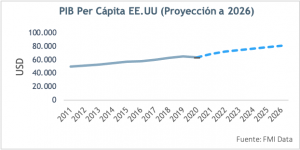
Gráfico 2:
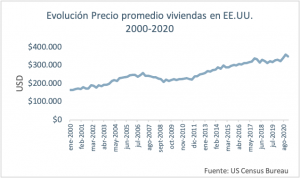
Gráfico 3:

[1] US Census Bureau (2020).