Fynsa


La reciente decisión de Alemania de flexibilizar su histórico “freno de la deuda” (Schuldenbremse), marca un giro radical en su política fiscal y —posiblemente— en la economía europea en su conjunto. Esta reforma permite un aumento significativo del gasto en defensa e infraestructura, lo que podría redefinir la posición de Alemania en el escenario global.
Desde la crisis financiera de 2008, el freno de la deuda, consagrado en la constitución alemana, ha sido un pilar central de la política fiscal del país. Este mecanismo limitaba el déficit estructural del gobierno al 0,35% del PIB y restringía severamente la capacidad de endeudamiento, salvo en situaciones excepcionales, como crisis económicas o desastres naturales.
Si bien esta política ha promovido una sólida disciplina fiscal, con una deuda relativamente baja en comparación con otros países del G7, también ha generado costos. Alemania ahora enfrenta la necesidad de realizar inversiones productivas que fortalezcan su economía, especialmente en un contexto donde su modelo exportador ha sido golpeado por el aumento de los precios de la energía y la creciente competencia global. Aun así, el freno de la deuda permitió a Alemania aprovechar años de prosperidad para fortalecer sus finanzas públicas, asegurándose un margen de maniobra para afrontar tiempos más desafiantes.
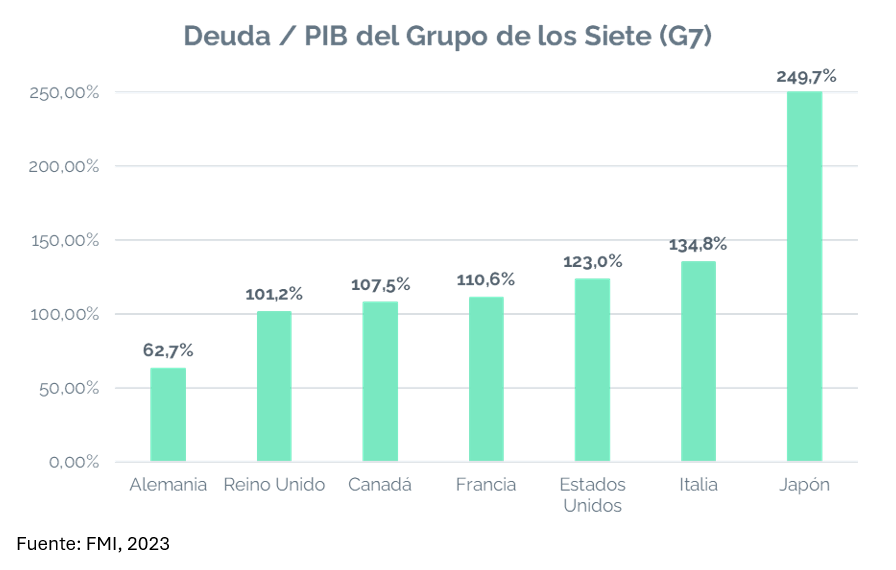
La baja inversión pública ha sido un problema persistente, especialmente en áreas clave para mejorar su competitividad, como la digitalización de los servicios públicos, infraestructura, educación y energía. La inversión pública neta (inversión pública bruta menos la depreciación) ha disminuido drásticamente, pasando del 1% del PIB a principios de los ’90, a cerca del 0% en los últimos años.
Además, la orden de Donald Trump de suspender la ayuda militar a Ucrania, trasladando esta carga a los aliados europeos, junto con la amenaza de aranceles que podrían afectar las exportaciones, ha generado presión para reformar el sistema fiscal. En este contexto, se hace cada vez más urgente la necesidad de implementar una política fiscal expansiva. Incluso el Bundesbank, banco central alemán, ha señalado la importancia de reformar el freno de la deuda para fortalecer las finanzas públicas y permitir un aumento en la inversión.
La economía germana enfrenta a una serie de retos significativos. Tras dos años de estancamiento, las perspectivas para 2025 siguen siendo poco alentadoras. Sin embargo, la aprobación de esta reforma fiscal podría proporcionar el impulso necesario para reactivar la economía e incluso fomentar un crecimiento sostenible a largo plazo.
El proyecto de ley propone la creación de un fondo de €500 mil millones para invertir en áreas prioritarias como transporte, redes energéticas y vivienda durante los próximos 12 años. Además, establece una exención del freno de la deuda para gastos en defensa que superen el 1% del PIB. Este cambio representa la mayor reforma fiscal de Alemania desde la reunificación.
Friedrich Merz, el próximo canciller alemán, ha afirmado que “Alemania hará lo que sea necesario” para garantizar la defensa del país. La iniciativa fue aprobada en el Bundestag (Cámara Baja) el martes y ahora espera la votación en el Bundesrat (Cámara Alta) que se llevará a cabo el viernes (*). Si obtiene el respaldo de dos tercios, será firmada por el presidente de Alemania.
El impacto inmediato de esta decisión ya se refleja en los mercados. La tasa de los bonos alemanes ha subido considerablemente, con los bunds a 10 años alcanzando el 2,9%, niveles no vistos desde 2011, en comparación con el 2,5% previo. Asimismo, el euro ha experimentado una notable apreciación, impulsado por las expectativas de crecimiento económico y una mayor emisión de deuda.
El giro de Alemania hacia una política fiscal más expansiva marca un punto de inflexión con implicaciones que van más allá de sus fronteras. Aunque aún es incierto si la estrategia impulsará el crecimiento o pondrá en riesgo la estabilidad fiscal a largo plazo, lo claro es que el principio de austeridad ha dejado de ser inamovible. Más allá de lo económico, Alemania ha demostrado una firme determinación para enfrentar desafíos urgentes, como contrarrestar la amenaza de Rusia y abordar problemas estructurales de su economía.
Vicente Dourthé, CFA
Portfolio Manager Deuda Privada Fynsa AGF
(*) Esta nota fue escrita antes de la votación en la Cámara Alta.