Fynsa

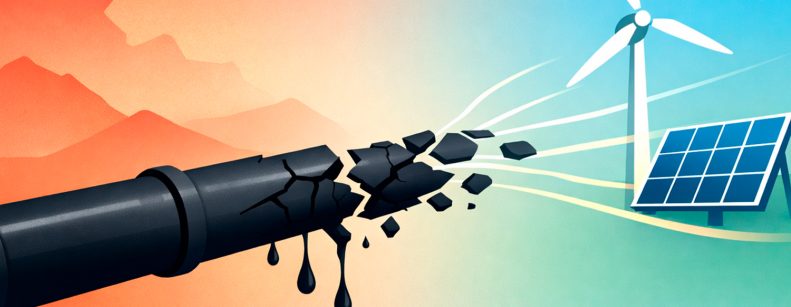
La guerra en Irán no solo ha tensionado el escenario geopolítico global, sino que también ha vuelto a poner en el centro del debate una vulnerabilidad estructural de la economía mundial: la alta dependencia de los combustibles fósiles. El impacto ha sido inmediato. La disrupción en el suministro de petróleo y gas ha provocado fuertes alzas en los precios de la energía, afectando tanto a consumidores como a gobiernos en distintas regiones del mundo.
En este contexto, desde Naciones Unidas han sido categóricos. El secretario ejecutivo de la Convención Marco sobre Cambio Climático, Simon Stiell, señaló que el conflicto constituye una “lección contundente” sobre los riesgos de depender del petróleo y el gas, e instó a los países a acelerar la transición hacia energías limpias. Según el organismo, la volatilidad actual evidencia cómo esta dependencia no solo impacta el clima, sino también la seguridad energética y el costo de vida.
El conflicto ha dejado en evidencia un punto crítico: gran parte del suministro global de energía sigue dependiendo de zonas geopolíticamente inestables. La interrupción de flujos clave —como el tránsito por el Estrecho de Ormuz— ha generado un shock que rápidamente se transmite a precios internacionales, replicando patrones observados en crisis anteriores.
Sin embargo, más allá del impacto inmediato, la coyuntura está acelerando cambios estructurales. Diversos gobiernos y analistas coinciden en que este episodio podría impulsar una nueva ola de inversión en energías renovables y en infraestructura energética más resiliente. La lógica es clara: reducir la exposición a shocks externos y avanzar hacia sistemas energéticos más autónomos.
Europa aparece como uno de los casos más representativos. Altamente dependiente de importaciones de combustibles fósiles —con más del 90% del petróleo y cerca del 80% del gas provenientes del exterior—, la región ha sido especialmente sensible a las alzas de precios. Esto ha reactivado discusiones sobre acelerar la transición energética no solo por razones ambientales, sino también por seguridad económica.
No obstante, el escenario sigue siendo complejo. Si bien las energías renovables ofrecen una alternativa más estable en el largo plazo, la transición requiere inversiones significativas y enfrenta tensiones políticas en el corto plazo, especialmente en contextos de encarecimiento energético.
Así, la guerra en Irán podría marcar un punto de inflexión. Más que un evento aislado, funciona como un recordatorio de que la dependencia de los combustibles fósiles expone a las economías a ciclos recurrentes de volatilidad. En ese sentido, la transición energética deja de ser solo un objetivo climático y se consolida como una estrategia clave para la estabilidad económica global.
Fynsa