Fynsa

Una buena noticia para el mercado inmobiliario fue la que entregó recientemente el Banco Central, cuando informó que la tasa promedio semanal de los créditos hipotecarios alcanzó, durante la segunda semana de octubre, su nivel más bajo en más de un año, ubicándose en 4,56%.
De todas formas, el acceso a financiamiento sigue siendo una de las barreras más difíciles de superar para aquellas personas que desean adquirir una vivienda: las tasas de interés de los créditos hipotecarios se mantienen considerablemente por encima de los niveles previos a la pandemia y superan el promedio de los últimos 15 años. Además, las instituciones financieras siguen imponiendo requisitos estrictos para la aprobación de créditos.
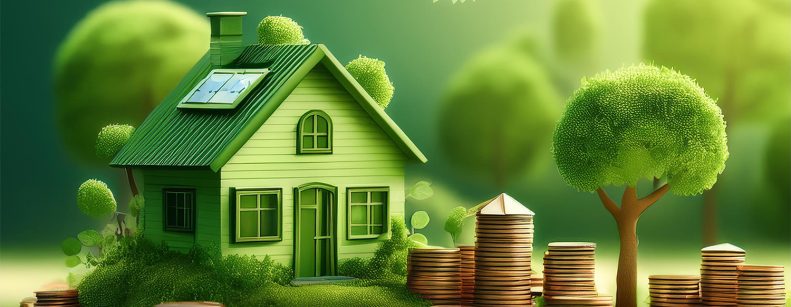
En este contexto, existen hoy en el mercado algunas alternativas de financiamiento más atractivas. Entre ellas destaca una que —adicionalmente— contribuye al cuidado del medio ambiente, los denominados “créditos hipotecarios verdes”.
El principal atractivo de este tipo de créditos, al compararlo con un hipotecario tradicional, radica en el descuento que incluye su tasa de interés, el que oscila entre una y tres décimas porcentuales aproximadamente.
En la actualidad, en Chile son cinco las instituciones financieras que ofrecen este tipo de préstamos. Si bien cada una de ellas tiene distintos requerimientos a las viviendas para que califiquen a este crédito especial, todas exigen que sean viviendas nuevas, además de aceptar la Calificación Energética de Viviendas (CEV) como certificación de eficiencia energética.
La CEV es un instrumento implementado por el Ministerio de Vivienda y Urbanismo (Minvu) y el Ministerio de Energía, que, a través de una evaluación de expertos tasadores, califica la eficiencia energética de una vivienda nueva, considerando requerimientos de calefacción, iluminación y agua caliente sanitaria.
Para el comprador, optar por un crédito hipotecario verde ofrece otros beneficios adicionales; al menor costo de financiamiento que implica la tasa de interés preferencial, como —por ejemplo— ahorros a largo plazo en ítems como el pago de facturas de energía y en el mantenimiento de la vivienda.
En conclusión, este tipo de créditos representa un doble beneficio: por un lado, facilita el acceso a una vivienda sostenible, en un contexto de financiamiento restringido; por otro, fomenta la adquisición de propiedades que cumplen con altos estándares de sostenibilidad, apoyando —a su vez— al país en el cumplimiento de su meta de carbono neutralidad para 2050.
Así, esta solución de financiamiento no sólo ayuda a los compradores en un entorno crediticio complejo, sino que también impulsa prácticas de construcción y adquisición más responsables, promoviendo un impacto positivo en la economía y el medio ambiente.
Sebastián Mahave
Analista Inmobiliario Fynsa AGF