Fynsa

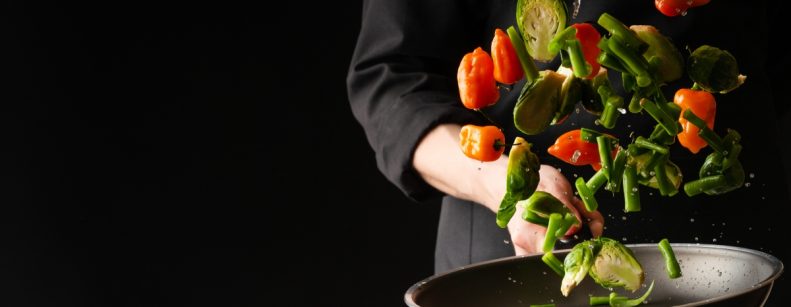
Hace unas semanas comentamos los Dark Stores, y hoy hablaremos de otra gran tendencia similar, que son las Dark Kitchens.
Según Euromonitor, las Dark Kitchens podrían generar un mercado sobre $1 billón de dólares a nivel mundial para el 2030. En Chile, Colombia, Argentina, Brasil y México, hay más de 400 cocinas de este tipo.
Tras la pandemia, unos de los rubros más afectados fue el de los restaurantes y bares, debido a las sanciones y cuarentenas aplicadas a nivel mundial, que los forzaron a cerrar la atención al público por largos periodos de tiempo. Pero es acá donde nace un nuevo modelo de negocio, conocido como Dark Kitchens, o Cocinas Fantasmas en español. Este concepto trata de restaurantes enfocados solo en delivery, por lo que lo único que necesitan es una cocina, las que por lo general van desde los 12 m2 a 20 m2. Es decir, son restaurantes sin mesas, sillas, ni garzones. Esto ha llevado a generar grandes ahorros en personal y arriendos.
A la vez, ha favorecido la aparición de nueva competencia, debido a que la implementación de una nueva marca es más económica que con el modelo de negocios tradicional. Por lo general, lo único que se necesita para partir son los implementos básicos para cocinar. Según diversos emprendedores que han incursionado en estas áreas, el equipamiento de estas cocinas ronda los 6 millones de pesos, y de ahí va subiendo| según el grado de especialización.
Hoy en Chile existen diversas empresas que arriendan espacios para Dark Kitchens para emprendedores y/o grandes cadenas de restaurantes. Estos complejos de varias cocinas fantasmas se denominan Hubs. Algunas de las empresas que brindan estos servicios en Chile son Kitchen Center, Pop Kitchen, Oficina Central, y Kitchen And Go, entre otros.
Las principales ventajas que presenta una Cocina Fantasma en comparación a un restaurante tradicional son:
Los arriendos rondan las 2,4 UF/m2 – 2,6 UF/m2, por lo que con un arriendo mensual de 36 UF, más 6 millones de pesos, se puede iniciar un negocio de estas modalidades.
Equipo AGF