Fynsa

La crisis hídrica es uno de los desafíos más complejos que enfrenta la humanidad. Y el sector agrícola, como mayor consumidor por lejos de agua (70% de las extracciones totales), tendrá un rol fundamental en esto.
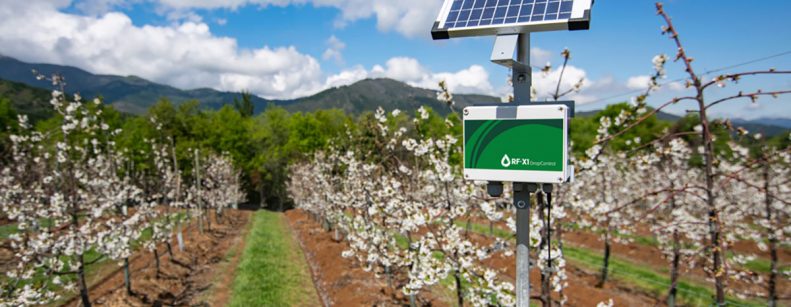
Hace varios años, una firma tecnológica chilena, WiseConn, vio la oportunidad de ofrecer soluciones para un uso más eficiente del agua en el agro. Su solución capta datos de los campos y los aloja en la nube, quedando al alcance de los agricultores para administrar el riego. Comenzaron en Chile enfocados en la fruticultura, desde donde saltaron a otros mercados con condiciones geográficas similares, como California en EE.UU., y algunas zonas de México, Perú y España. “Nuestro objetivo es darles certeza a los agricultores”, dice Cristobal Rivas, cofundador y CEO de WiseConn.
Ha sido una experiencia exitosa, al punto que en California pudieron superar a otras empresas de tecnología enfocadas en el mismo nicho.
Ahora, WiseConn está preparándose para dar un gran salto. Se encuentra en pleno proceso de recaudar financiamiento para llevar su tecnología a una escala grande, asiática, como subraya Rivas, apuntando a nuevos mercados agrícolas como Brasil, Australia y Europa. “No se trata solo de crecimiento, esto involucra desarrollo,” dice Rivas. “Somos secos en fruticultura, pero esta es solo un nicho; el resto del mercado no es fruticultura”.
La empresa está trabajando en mejorar su producto para abarcar ese enorme mercado. “Este objetivo va de la mano con lo que hacemos”, dice Rivas. “Todo se está regando con sistemas automatizados; hay apetito en el mercado por estas soluciones”.
WiseConn se ha dedicado desde sus inicios a desarrollar tecnología pura y dura. Combina la fabricación de hardware con sistemas de almacenamiento y procesamiento de datos. “Es una tecnología de punta, pero aplicable a la realidad chilena y, al mismo tiempo, desarrollada con visión global.”