Fynsa


La semana pasada, nuestro equipo en Ciudad de México realizó un segundo encuentro sobre deuda y capital privado, en colaboración con la Asociación Mexicana de Capital Privado (AMEXCAP), Click Seguridad Jurídica y CXC.
El evento contó con cerca de 60 asistentes de diferentes áreas como fondos de inversión, multilaterales, bancos, fiduciarias y Multifamily Offices, entre otros.
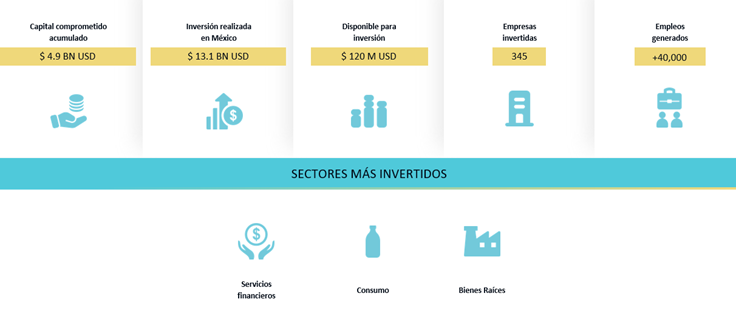
La primera parte de la exposición estuvo a cargo de Liliana Reyes, CEO de Amexcap, quien profundizó en la industria del capital privado en México, donde destacó el constante crecimiento de la inversión en el país, que durante los últimos 10 años ha tenido una tasa de crecimiento compuesto anual de 20,11%.
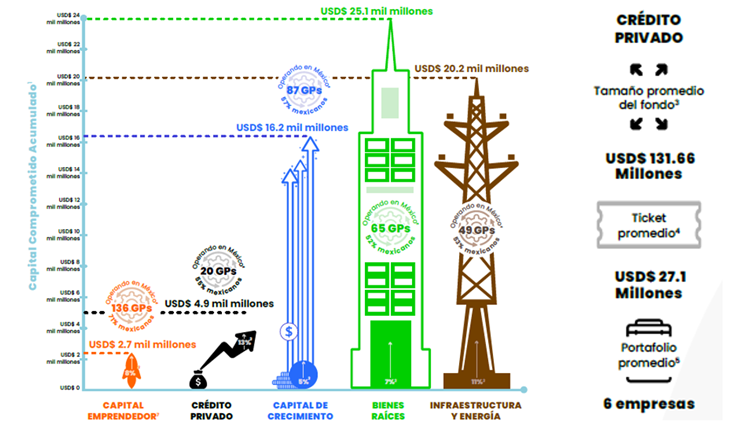
Al cierre del primer semestre de 2025, el total de capital comprometido (acumulado) es de USD 76,9 BN, del cual se han invertido USD 71,4 BN. Actualmente en México existen 555 vehículos de inversión activos, y desde el inicio de AMEXCAP, se han levantado más de 820 instrumentos de inversión. Según cifras preliminares, el mercado de capital privado en México cuenta con USD 2,7 BN disponibles para invertir en el corto plazo.
El crédito privado representa el 22% de la inversión total y el 6% del capital levantado por la industria de capital privado en México.
La segunda parte del evento fue presentada por Cristián Donoso, socio de Fynsa, quien profundizó en el marco legal chileno, y cómo desde 1989 en adelante se llevaron a cabo diferentes modificaciones al marco regulatorio, que permitieron el 2014 tener la Ley Única de Fondos (Ley 20.712), que hizo posible la eliminación de asimetrías y rigideces que la regulación de ese entonces imponía a la industria de administración de fondos de terceros, además de ajustes al tratamiento tributario para los inversionistas extranjeros. Esta ley permitió al mercado de fondos de inversión en Chile tener un fuerte crecimiento, llegando a una tasa de crecimiento anual compuesto del 14% para el periodo 2015-2024.
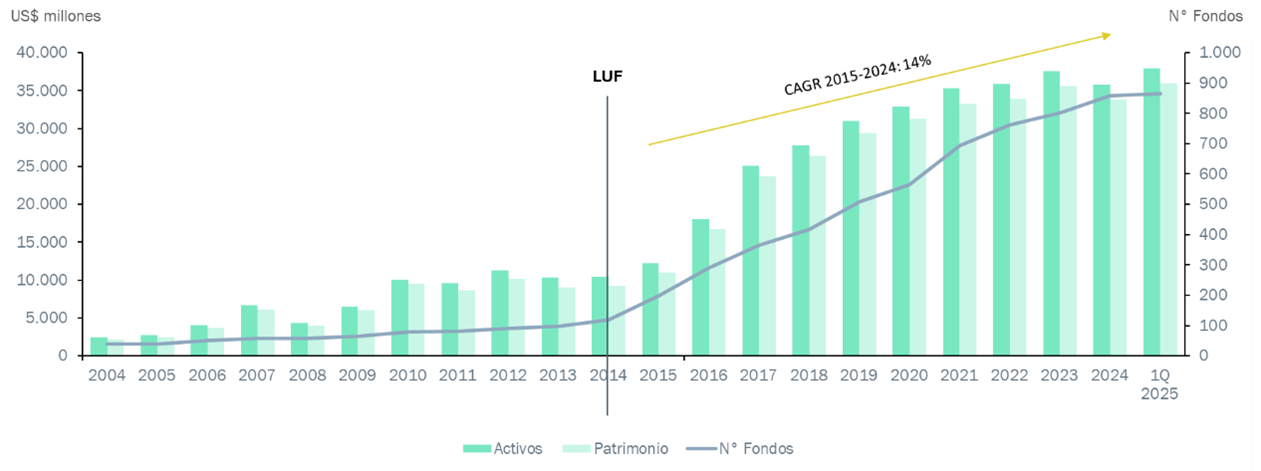
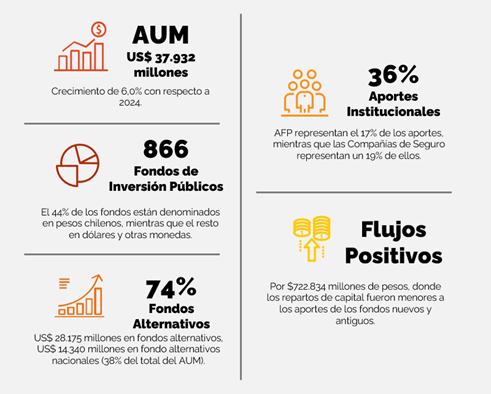
Al cierre del 1Q 2025, la industria de fondos de inversión públicos administra US$ 37.932 millones en 866 fondos. Esto implica un crecimiento, en dólares, de un 6% con respecto a 2024.
También se destacó el aporte de la industria de fondos de inversión, tanto en el apoyo a la economía del país como en la implementación de buenas prácticas empresariales, tales como:
Desde Fynsa, seguiremos avanzando en conectar oportunidades de inversión entre ambos países.
Cristián Rodríguez
Country Head México