Fynsa

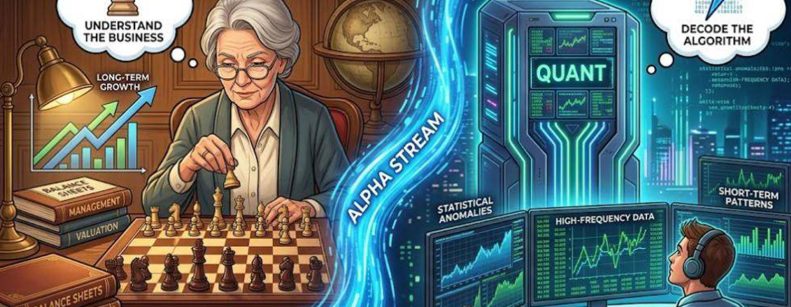
Siempre es importante preguntarse qué herramientas definen el éxito en las inversiones. En un mundo inundado de datos, la línea entre entender un negocio y descifrar un algoritmo se ha convertido en uno de los ejes de la gestión moderna. La clave no es encontrar la fórmula perfecta, sino entender qué realidad del mercado se busca observar.
La selección de activos para obtener rendimientos es una tarea compleja y desafiante. Durante décadas, en el mundo de las inversiones ha existido una figura casi mítica: el analista que, café en mano, pasa noches en vela desmenuzando los estados financieros de una empresa, estudiando su administración y proyectando sus flujos de caja para los próximos diez años. Es el enfoque fundamental, el arte de entender el “por qué” detrás del valor de un negocio.
En el extremo opuesto existe un ecosistema que prescinde de la intuición humana y de las visitas a las plantas de producción. En las finanzas cuantitativas, el análisis se delega en supercomputadoras capaces de procesar millones de datos por segundo en busca de patrones estadísticos, correlaciones ocultas y anomalías de precios en milisegundos. Aquí no importa qué vende una empresa, sino cómo se mueve su precio. Es el dominio del “qué” y el “cuándo”.
Pero ¿cuál de estos dos enfoques es realmente mejor? Para responder esa pregunta, vale la pena mirar a los máximos exponentes de cada corriente, protagonistas de una de las rivalidades filosóficas más fascinantes de Wall Street.
Por el lado del análisis fundamental tenemos a Warren Buffett. Su estrategia es conocida por todos: compra empresas comprensibles, con ventajas competitivas claras (los llamados moats o fosos defensivos) y se sienta a esperar décadas. Su filosofía se resume en que, si al negocio le va bien, a la acción eventualmente también le irá bien.
En la vereda opuesta está el fallecido Jim Simons, matemático del MIT y criptógrafo durante la Guerra Fría, fundador de Renaissance Technologies. Simons no contrataba economistas ni analistas financieros; su oficina estaba llena de físicos, astrónomos y científicos de datos. Su fondo insignia, Medallion, no invertía con base en el valor de las empresas, sino mediante modelos algorítmicos puros que explotaban ineficiencias matemáticas de corto plazo.
El resultado de este enfrentamiento estadístico suele dejar fríos a los puristas del análisis tradicional. Durante tres décadas, mientras Buffett lograba un track record espectacular, el fondo Medallion de Simons promedió rentabilidades netas anuales cercanas al 39%, convirtiéndose en uno de los vehículos de inversión más exitosos de la historia financiera global.
Sin embargo, el objetivo de contrastar estos estilos no es determinar un ganador. Ninguna metodología es intrínsecamente superior a la otra: ambas capturan fuentes de retorno (o “alfa”) completamente distintas.
El enfoque fundamental es imbatible en el largo plazo. Es el único capaz de evaluar eventos estructurales inéditos, como el impacto de una nueva regulación drástica, una fusión empresarial compleja o disrupciones tecnológicas donde el pasado no sirve para predecir el futuro. Su debilidad es obvia: está sujeto a los sesgos cognitivos del ser humano (como enamorarse de una acción) y es imposible de escalar a miles de activos simultáneamente.
El enfoque cuantitativo, en cambio, brilla por su frialdad y disciplina en el corto y mediano plazo. No tiene emociones, opera en milisegundos y procesa volúmenes de información inhumanos. No obstante, su talón de Aquiles es el riesgo de modelo (el temido overfitting o sobre optimización). Si el mercado cambia bruscamente de régimen, como ocurrió en las crisis de 2008 o 2020, los datos históricos dejan de ser una guía útil y los algoritmos pueden colapsar en cadena al no comprender el contexto macroeconómico global.
Hoy, la verdadera vanguardia en las mesas de dinero ya no consiste en elegir un bando. Ha surgido con fuerza el concepto “Quantamental”, una combinación donde los analistas fundamentales utilizan algoritmos en Python para procesar web scraping o datos alternativos que validen sus tesis de inversión, mientras que los quants incorporan factores de valor y calidad contable en sus modelos cuantitativos.
Al final del día, elegir entre finanzas cuantitativas o fundamentales es como preguntarse si es mejor usar un telescopio o un microscopio. Ambos miran la misma realidad financiera desde escalas distintas. El secreto no está en la sofisticación de la herramienta, sino en comprender qué parte del mercado se intenta analizar. Operar con un algoritmo rígido frente a un cambio estructural o intentar competir con una supercomputadora en el trading de alta frecuencia puede resultar tan costoso como apostar a ciegas en el tablero equivocado.
Lukas Escoda
Portfolio Manager Renta Fija Fondos Financieros Fynsa AGF