Fynsa


Este 15 de abril parte la mayor fiesta comercial del mundo, la famosa Feria de Cantón, en la ciudad china de Guangzhou (https://www.cantonfair.org.cn/en-US), la principal vitrina de productos del gigante asiático para el mundo. En su edición 133 (se celebra desde 1957 y desde hace tiempo se realiza dos veces al año), será la primera que se celebra tras el levantamiento de las restricciones por el Covid en China. Se esperan 34.000 expositores.
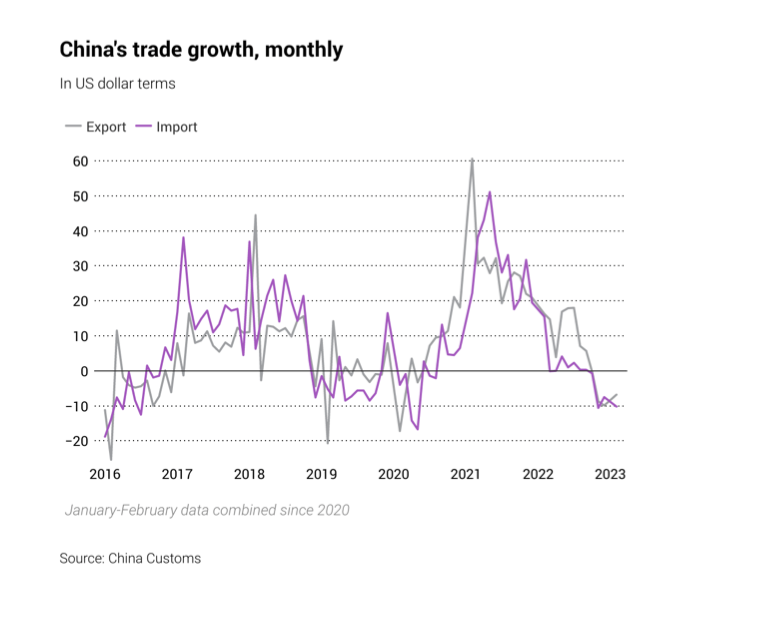
El ambiente, sin embargo, no es el más optimista. Según una encuesta realizada por el Ministerio de Comercio Chino entre 20.000 exportadores, la caída en la demanda desde el exterior es uno de los principales desafíos que enfrentan este año.
Una de las principales razones de la debilidad de la demanda del exterior por productos chinos es la guerra comercial y las tensiones políticas entre China y Estados Unidos. Las exportaciones chinas a Estados Unidos cayeron un 14,2% en enero y un 21,8% en febrero respecto al mismo mes del año pasado, y ha caído al tercer lugar como principal mercado de China en valor, superado por el bloque Asociación de Naciones del Sudeste Asiático (ASEAN) y la Unión Europea. En todo caso, las exportaciones totales chinas cayeron un 6,8% en el período enero-febrero frente al mismo bimestre del 2022.
Ante esta situación, las autoridades chinas están desplegando variedad de medidas, como la simplificación de procesos aduaneros, el apoyo crediticio para pequeños exportadores y devoluciones de impuestos, así como esfuerzos por diversificar sus mercados, con especial foco en la Asociación Económica Integral Regional (RCEP por sus siglas en inglés), un acuerdo de libre comercio entre los diez estados miembros de ASEAN y cinco estados de Asia y Oceanía con los que esta asociación tiene acuerdos de libre comercio.