


Fynsa

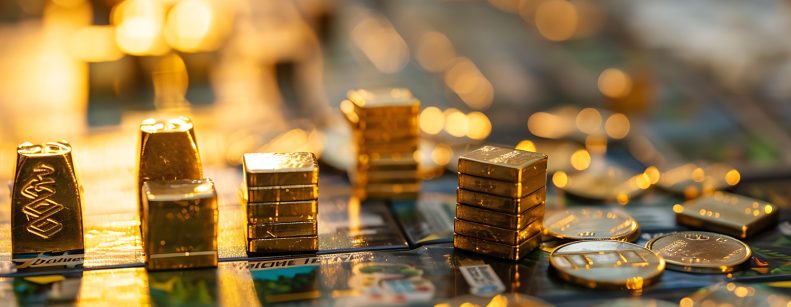
Desde la antigüedad, el oro ha sido considerado como un símbolo de poder y riqueza, gracias a sus particulares características. Además de ser un producto escaso, es un metal noble, valorado por ser poco alterable y por su maleabilidad, ductilidad, durabilidad y divisibilidad. Es así, como a largo de la historia de la humanidad, desde las primeras civilizaciones y hasta la actualidad, el oro ha desempeñado un papel importante en la configuración de las economías.
Si bien el oro en un inicio fue utilizado principalmente para la joyería, también ha sido usado históricamente como medio de pago y reserva de valor. Hay que señalar también que, en la historia reciente, hay algunas empresas de electrónica que lo utilizan en la fabricación de componentes electrónicos.
Incluso, el oro funcionó como patrón monetario entre los siglos XVIII y XIX, tiempo en el cual el valor de la moneda de un país se asociaba a cierta cantidad de oro que se mantenía en las reservas. Desde el año 1971 se declaró oficialmente el fin del patrón oro y se instaló en el mundo el uso del dinero fiduciario, que aplica hasta nuestros días. Hay que decir eso sí que, hablar de patrones monetarios nos daría para otra columna.
De todos modos, el fin del patrón oro no mermó en absoluto el interés por este y sigue siendo un activo de alto interés: para los gobiernos, porque lo consideran un factor de estabilidad monetaria que ayuda a fortalecer la confianza en la estabilidad económica; y para los inversionistas, porque lo ven como un activo de refugio, especialmente en tiempos de crisis e incertidumbre.
Desde finales de 2022 y hasta la fecha, el precio del oro ha mantenido una trayectoria ascendente en los mercados internacionales, lo que ha significado un aumento de 35%. De dicha alza, la mitad ha ocurrido en tan solo los cinco meses que van de este año. Precisamente, esta semana el metal alcanzó un nuevo máximo al ubicarse por sobre los US$2.380 la onza troy.
Cabe preguntarse entonces, ¿qué es lo que ha impulsado el reciente rally del oro? Bueno, las razones son múltiples. En primer lugar, una política de desdolarización o, dicho de otro modo, de mayor diversificación en las reservas por parte, principalmente, de las economías en desarrollo. Asimismo, hay una preocupación por el rápido crecimiento de la deuda púbica estadounidense. Igualmente, se suma el aumento de las tensiones geopolíticas en el mundo. Están también los riesgos de recesión, pues si bien las cifras apuntan a aterrizajes suaves de las principales economías para el presente ciclo, lo cierto es que la actividad global experimenta una importante pérdida de dinámica. La inflación, si bien ha cedido, se mantiene elevada y, como consecuencia, las tasas de interés también se mantienen altas. Finalmente, es un año electoral en el mundo con más del 50% de la población acudiendo a las urnas y con las elecciones a presidente más importantes del globo en puerta.
Recordemos, entonces, que las características del brillante metal lo validan como un valor estable y confiable, con un estatus especial entre los activos financieros, cuyo valor tiende a subir en periodos de elevada incertidumbre económica, política y geopolítica. Es por esto que la fuerte valorización mencionada antes proviene de un voraz apetito, tanto de inversionistas como de bancos centrales alrededor del mundo.
El oro es un importante componente de las reservas de los bancos centrales debido a sus características de seguridad, liquidez y rentabilidad, tres de las cualidades clave que buscan las autoridades monetarias para preservar y/o aumentar el valor de sus reservas. Además, la tangibilidad del oro permite a un país diversificar su portafolio. Al respecto, se estima que los bancos centrales poseen en sus bóvedas, en suma, cerca de una quinta parte de todo el oro que ha sido extraído a lo largo de la historia. El resto se encontraría en depósitos privados y grandes joyerías y, por supuesto, en el joyero de nuestras abuelitas.
Es así como la reinante incertidumbre sigue motivando el aumento de reservas en oro por parte de los bancos centrales. Destaca una creciente demanda de Asia, en particular, de China. Al primer trimestre de 2024, los países con mayor cantidad de reservas de oro expresadas en USD son EE.UU., Alemania, China, Italia y Francia; economías que en conjunto suman un poco más del 50% del PIB global, siendo Estados Unidos el país con la mayor cantidad de reservas de oro físico con más de 8 mil toneladas almacenadas en sus 12 bancos federales a lo largo del país, de las que, a su vez, más de la mitad se encuentran en un depósito conocido como Fort Knox ubicado en Kentucky.
Debemos tener en cuenta también que, después de las crisis financieras, los conflictos bélicos son considerados la segunda mayor fuente de incertidumbre en los mercados. En tiempos de guerra, como el actual, el oro funciona como inversión segura. Es por ello que las tensiones geopolíticas en Oriente Medio y entre Rusia-Ucrania han aumentado también el interés en el commodity.
Otros factores a los que también es sensible el precio del oro son la inflación, las tasas de interés (cambios en la oferta monetaria), aumentos excesivos de gasto y los movimientos del dólar. Si bien la inflación ha caído significativamente desde los máximos de mediados de 2022, aún se encuentra por sobre los objetivos de los bancos centrales, en especial de la Fed, por lo cual sigue habiendo una presión sobre el precio del oro, ya que es considerado como una cobertura contra la inflación. Caso contrario, cuando aumenta el rendimiento de los treasuries, el oro tiende a mostrar una tendencia a la baja. En cuanto a la relación con el dólar, esta es más bien inversa; ya que un dólar más fortalecido tendería a mantener un precio del oro más bajo y viceversa. Sin embargo, es importante anotar que, en periodos de riesgo sistémico y alta incertidumbre, tanto el oro como el dólar tienden a utilizarse como activos de refugio y moverse en una misma dirección. Cualquier parecido con la realidad reciente… ¿no es mera coincidencia?
En definitiva, podríamos decir que las crecientes reservas de oro en China y otras economías en desarrollo soportan buena parte del aumento en el precio del oro hacia el largo plazo, pero las fluctuaciones de precios que observamos en el corto plazo estarían más relacionadas con los movimientos de tasas de interés y la fortaleza del dólar estadounidense.
Hacia adelante, la mayoría de los pronósticos apuntan a que este comportamiento alcista en el oro continuaría, aunque con algo menos de ímpetu en lo que resta del año, básicamente porque se mantendrían vigentes la mayoría de las razones señaladas antes como la explicación del rally reciente del oro.
 Fuente: Bloomberg, WB, Fynsa Estrategia
Milene Rodríguez
Analista Estrategia e Inversiones


