Fynsa

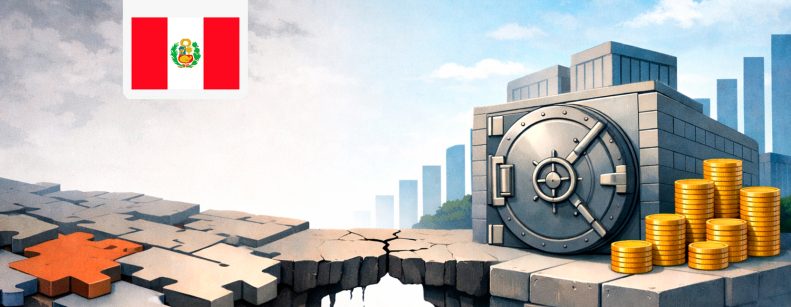
El próximo proceso electoral en Perú marcará un hito regional por su extrema fragmentación. Los ciudadanos elegirán entre 35 fórmulas presidenciales, una cifra sin precedentes que refleja una profunda crisis de representación. Este escenario se da tras una década de turbulencia en la que el país ha tenido ocho presidentes, evidenciando una preocupante fragilidad institucional en el Poder Ejecutivo frente a un Legislativo altamente atomizado.
A pesar de este complejo panorama político, Perú mantiene una dualidad que sorprende a los mercados internacionales. Mientras la aprobación de las instituciones políticas cae a mínimos históricos (3% para el Ejecutivo y 5% para el Congreso), los pilares económicos se mantienen estables.
Al cierre de 2025, las Reservas Internacionales Netas (RIN) alcanzaron un nivel histórico equivalente al 28% del PBI, consolidándose como el blindaje financiero más alto entre las principales economías de la región. En términos monetarios, esto representa aproximadamente US$74.000 millones, una cifra que otorga una predictibilidad cambiaria y monetaria única en el vecindario latinoamericano.
El principal riesgo económico no reside en la falta de recursos, sino en la dificultad de construir consensos. En las últimas elecciones (2021), los candidatos que pasaron a segunda vuelta sumaron apenas un tercio de los votos válidos, dejando a dos tercios de la población sin una representación directa en el balotaje. Para 2026, con 35 partidos en competencia, el riesgo de un Congreso fragmentado, donde las coaliciones son efímeras y personalistas, podría dificultar la implementación de reformas estructurales necesarias para elevar el crecimiento potencial.
La economía peruana ha demostrado ser “a prueba de balas” frente al ruido político gracias a la autonomía de instituciones como el BCRP. Sin embargo, el desafío para el próximo quinquenio será transformar esa solidez macroeconómica en bienestar social tangible, cerrando la brecha entre la eficiencia técnica de sus instituciones financieras y la precariedad de su sistema político.