Fynsa

Tras años de poca actividad compradora, las grandes empresas de la minería del cobre comienzan a sacar sus billeteras. A fines de marzo, el grupo canadiense Lundin anunció la compra del 51% de la mina de cobre y molibdeno Caserones, en Chile, por US$950 millones, a la japonesa JX Nippon Mining.
En paralelo, el gigante de las materias primas con sede en Suiza Glencore hacía pública una oferta para fusionarse con la canadiense Teck, en una operación valorizada en US$23.000 millones y que, al cierre de estas líneas, había sido rechazada por Teck. Ambas empresas tienen importantes operaciones y proyectos de cobre en Chile y Perú.
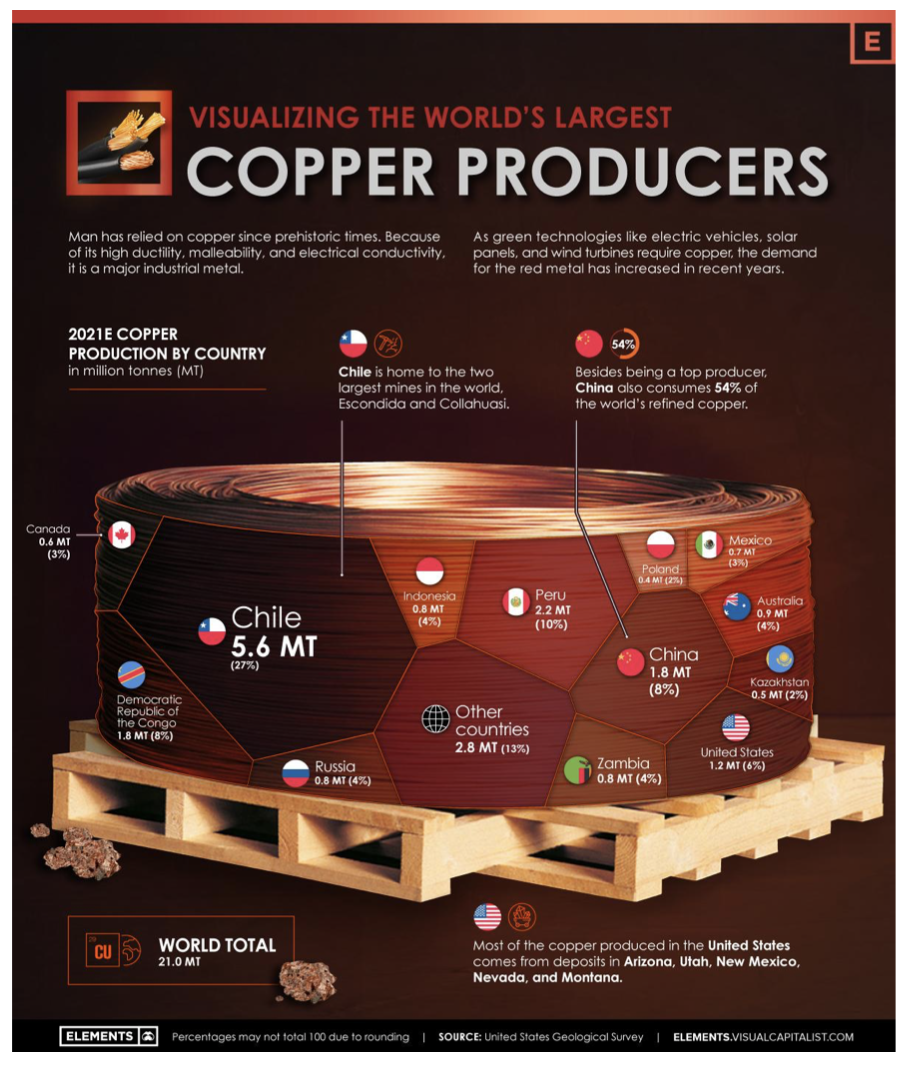
Estos movimientos se dan en un entorno en el que se combinan factores de corto plazo –-una reducción actual en la oferta de cobre, principalmente por problemas operacionales y políticos en Perú y Chile que están afectando la producción en ambos países, los dos mayores productores de este metal en el mundo— como por factores de largo plazo –un fuerte desbalance entre la oferta y demanda esperado en la próxima década.
Se espera que la demanda de cobre en los próximos años crezca fuertemente debido a la importancia de este metal en la descarbonización de la economía y el desarrollo de la electromovilidad. S&P Global estima que la demanda de cobre más que se duplicará de acá al 2035, cuando alcanzaría los 50 millones de toneladas, un aumento que supera significativamente las proyecciones de oferta que se manejan en la industria.
Es un desbalance que, según señaló a The Economist el presidente de la minera Freeport McMoran, no se resuelve sólo con inversiones, debido a la escasez de oportunidades para desarrollar nuevos proyectos factibles en el mundo.
Entre las alternativas para enfrentar este desafío está potenciar exploraciones y desarrollo en áreas que ya están en producción –como lo que está haciendo Teck con la extensión de la vida útil de su mina Quebrada Blanca, en el norte de Chile, o la propia Lundin en su mina Candelaria, en la región de Atacama, y continuar avanzando con el desarrollo de tecnologías para la recuperación de cobre residual en antiguos relaves.