


Fynsa

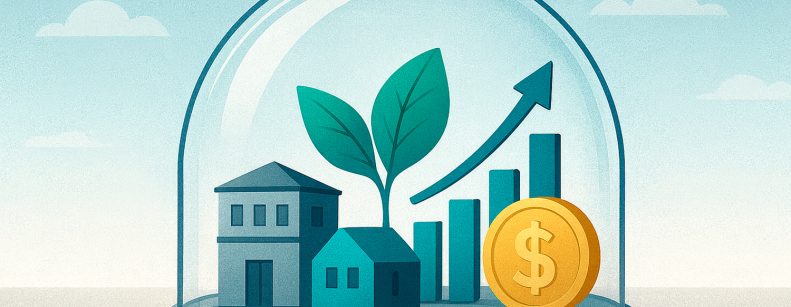
Durante décadas, el bono del Tesoro de Estados Unidos fue considerado el activo libre de riesgo por excelencia. Representaba el punto de referencia para valorar inversiones, calcular el costo de capital y diseñar estrategias de portafolio. Sin embargo, el escenario actual plantea una pregunta incómoda: ¿sigue existiendo, realmente, un “risk-free rate”?
La respuesta corta es que no. Los Treasuries continúan siendo los activos más líquidos y seguros frente a default, pero ya no pueden verse como un refugio inmune al riesgo. Hoy, el riesgo no está en el pago —sino en la volatilidad de las tasas, la inflación persistente y la trayectoria insostenible de la deuda fiscal de EE.UU. Con un déficit estructural elevado y emisiones récord para financiarlo, los rendimientos de largo plazo se mantienen altos, y eso redefine la base sobre la cual se construyen los portafolios.
Este cambio tiene varias implicancias. Primero, los portafolios tradicionales deben reconocer que el “carry” de la renta fija ya no es suficiente para garantizar estabilidad, dado que su correlación con la renta variable se volvió menos confiable. Segundo, los inversionistas globales enfrentan la paradoja de que el activo libre de riesgo nominal sí ofrece un 4–5% de retorno, pero a costa de una mayor volatilidad real y sensibilidad a shocks políticos y fiscales.
En este contexto, los activos alternativos refuerzan su atractivo. La deuda privada, por ejemplo, permite pactar condiciones contractuales claras, spreads más amplios y menor exposición a la volatilidad de mercado secundario. Infraestructura y real estate brindan retornos ligados a activos reales, menos dependientes de la curva de tasas. En definitiva, si el “risk-free” ya no es tan “free”, los inversionistas buscan anclar sus portafolios en activos donde el riesgo sea al menos negociable y controlable.
La conclusión es clara: más que la desaparición del “risk-free rate”, lo que vivimos es un cambio de paradigma. El verdadero refugio ya no está en un activo universal, sino en la capacidad de construir portafolios resilientes, diversificados y con acceso a primas de riesgo más tangibles. Para los inversionistas de largo plazo, la pregunta no es si el Treasury es todavía libre de riesgo, sino cómo rediseñar la arquitectura de inversión en un mundo donde hasta lo más seguro dejó de serlo.
Jaime Cruz
Portafolio Manager Deuda Privada USA


