Fynsa


La integración de la naturaleza y sostenibilidad en las ciudades ha dejado de ser un concepto aspiracional para convertirse en un eje estratégico del desarrollo urbano. La necesidad de construir ciudades resilientes, sostenibles y preparadas para el cambio climático y los desafíos demográficos ha transformado al urbanismo verde en un factor clave, tanto en las políticas públicas como en las decisiones de inversión.
Los datos lo confirman: según el informe Preqin Infrastructure Global Report 2025, los activos bajo gestión en infraestructura no listada —sector que incluye proyectos verdes y sostenibles— alcanzarán los 2,35 billones de dólares en 2029, con un crecimiento anual proyectado del 10,8 %. Este aumento responde al creciente apetito de los inversionistas institucionales por infraestructuras asociadas a sostenibilidad, movilidad urbana y transición energética, enfocados principalmente en estrategias de tipo Core & Core-plus.
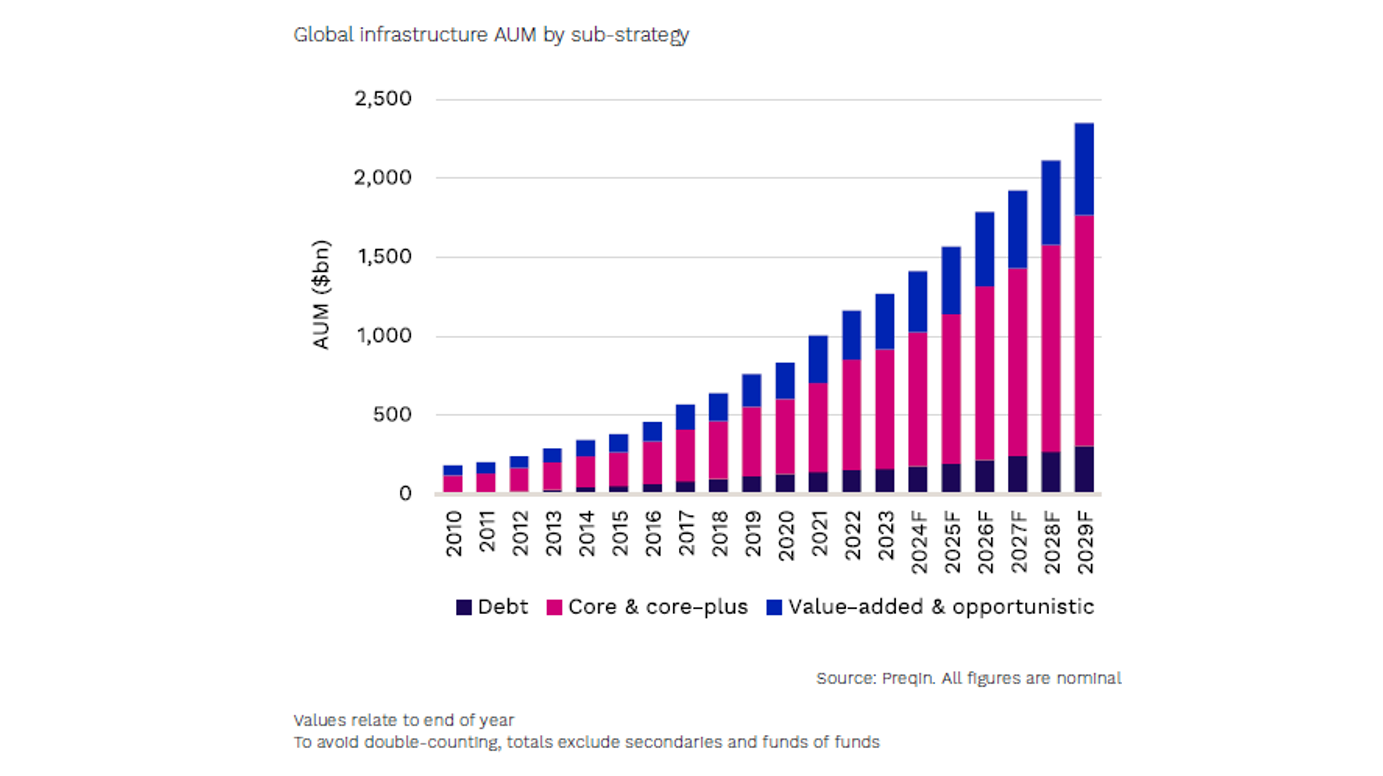
La infraestructura verde, que comprende desde parques y corredores ecológicos hasta soluciones urbanas basadas en la naturaleza para la gestión de aguas y mitigación de calor, se ha consolidado como uno de los segmentos más dinámicos del mercado global de infraestructura.
El informe de Preqin destaca que, en 2024, las transacciones en energía renovable y sostenibilidad representaron el 69% del total de transacciones primarias en infraestructura, el mayor nivel desde 2006. Esta tendencia refleja no solo el imperativo ambiental, sino que también la percepción de que los activos y estrategias de inversión relacionadas a estas iniciativas ofrecen resiliencia y estabilidad, incluso en entornos económicos complejos.
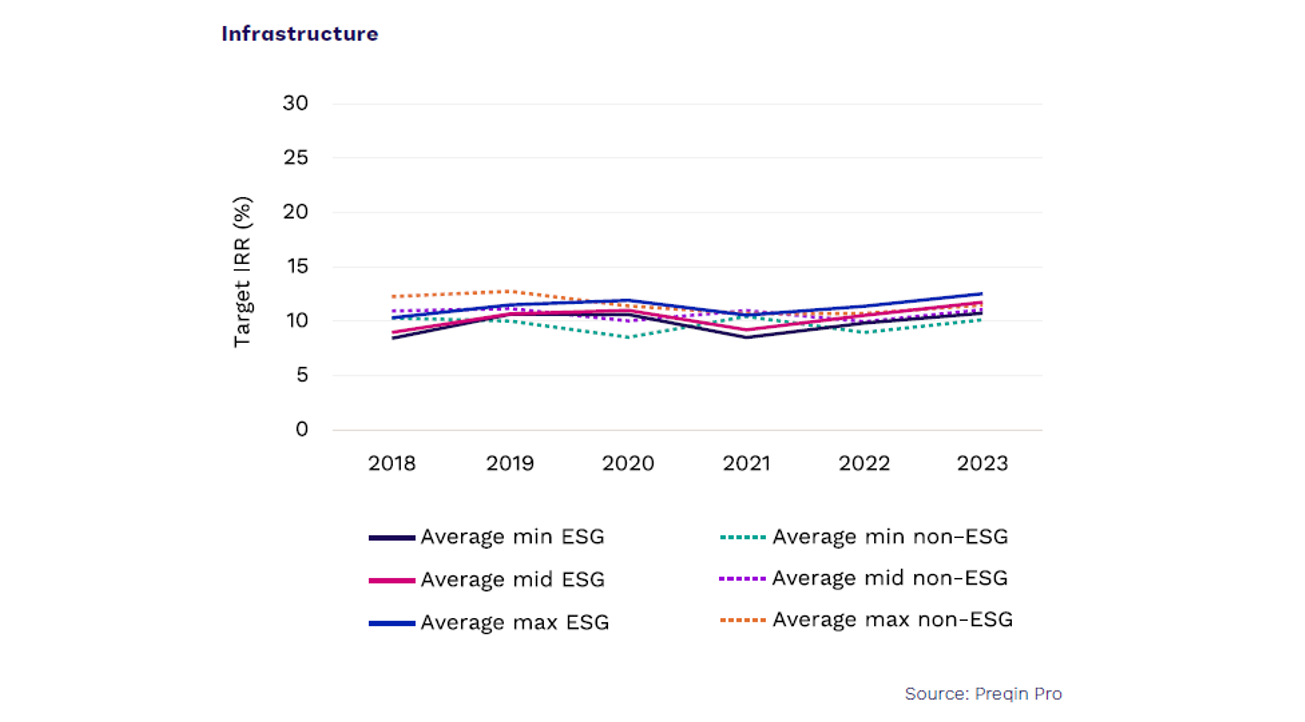
Si bien los fondos relacionados a inversiones bajo los criterios ESG tienden a tener una menor volatilidad que los fondos que no se guían bajo estos criterios, en el caso de los ESG Infrastructure Funds, no solo presentan menor volatilidad, sino que también han generado mayores retornos que sus comparables Non-ESG, posiblemente debido a un enfoque de inversión con un perfil de riesgo-retorno más moderado que otro tipo de estrategias como Private Equity.
El desarrollo de ciudades sostenibles no es solo un impulso del sector privado. Diversos gobiernos han implementado políticas públicas concretas para promover el urbanismo verde:
Estos ejemplos evidencian que el urbanismo verde ya forma parte de la agenda de desarrollo urbano en diversas regiones, respaldado por marcos regulatorios y políticas activas.
En línea con lo anterior, en el sector privado el interés por la inversión en infraestructura sostenible ha ido en aumento. Si bien hoy en día estas posiciones aún se encuentran subponderadas en los portfolios de los principales actores del mercado, estos mismos reconocen que la inversión en infraestructura con impacto social será una tendencia importante en los próximos años, en conjunto con la inversión en transición energética y la descarbonización.
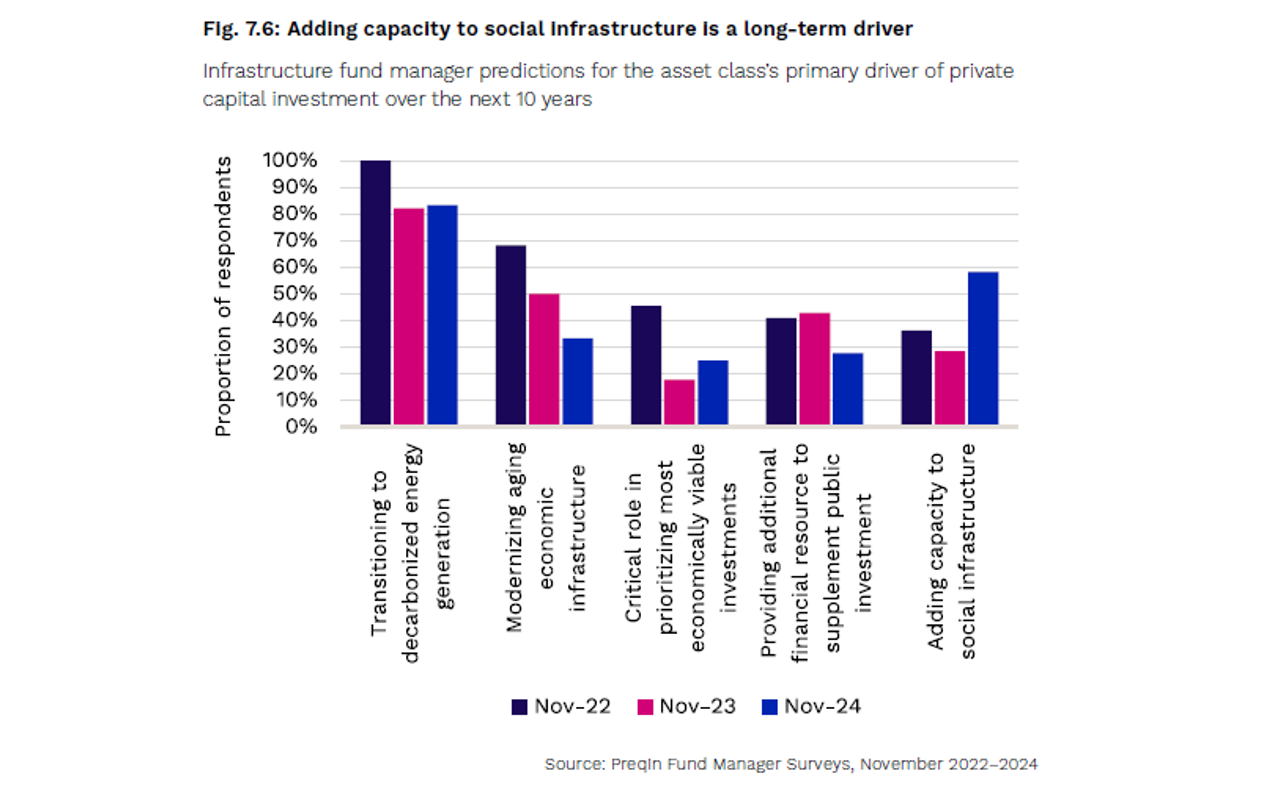
La creciente asignación de capital hacia infraestructura sostenible, sumada a políticas públicas proactivas en diversas ciudades, demuestra que el urbanismo verde no es solo una tendencia estética, sino un eje central en la construcción de ciudades resilientes y competitivas, considerando que se proyecta que, para el año 2050, cerca del 68% de la población mundial viva en áreas urbanas.
El desafío está claro: debemos promover el crecimiento y la transformación de nuestros espacios urbanos, los cuales ya se enfrentan a las consecuencias de los cambios climáticos y demográficos. Olas de calor y de frío cada vez más intensas, enfermedades respiratorias, contaminación y la desigualdad en el acceso a espacios verdes son solo algunas de las problemáticas que requieren atención.
El desarrollo de infraestructura verde no es una utopía, es una urgencia que late bajo el concreto y se siente en cada rincón olvidado de nuestras ciudades, y que no puede seguir esperando a que el futuro nos alcance.
Raimundo Fuenzalida
Portfolio Manager Deuda Privada Fynsa AGF