Fynsa

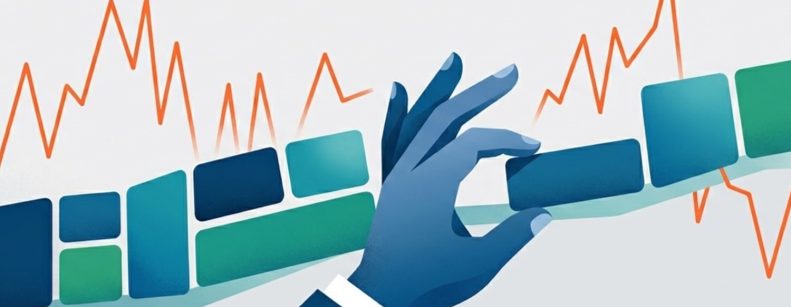
En períodos de alta volatilidad, es común que la atención se centre en los movimientos del mercado: subidas, caídas y cambios en las expectativas. Sin embargo, en estos entornos, la diferencia no suele estar en anticipar el siguiente movimiento, sino en cómo está construido y gestionado el portafolio.
La volatilidad no es un fenómeno nuevo, pero sí pone a prueba principios básicos de inversión. Entre ellos, uno de los más relevantes —y a la vez más subestimados— es la diversificación.
Diversificar no significa simplemente invertir en varios activos. Significa construir una cartera donde las distintas inversiones no reaccionen igual ante un mismo escenario.
En la práctica, esto implica combinar distintas clases de activos, geografías y estrategias. Cuando estos elementos están bien equilibrados, el portafolio no depende de un solo factor para generar resultados, lo que permite amortiguar mejor episodios de volatilidad y mantener una trayectoria más estable en el tiempo.
En entornos más inciertos, la gestión activa pasa a ser un factor clave. No se trata de reaccionar a cada movimiento del mercado, sino de tener la capacidad de evaluar, ajustar y rebalancear de forma consistente.
Esto cobra especial relevancia cuando aparecen desalineaciones entre precios y fundamentos. En momentos de mayor tensión, es común que ciertos activos transen con descuentos relevantes respecto a su valor subyacente. Contar con equipos que monitorean activamente estos movimientos permite identificar oportunidades de entrada de manera disciplinada, sin depender de apuestas tácticas de corto plazo.
Desde nuestra experiencia, este proceso no busca anticipar el mercado, sino estar preparados para actuar cuando las condiciones lo justifican, manteniendo siempre una visión de largo plazo.
Otro elemento menos visible, pero igual de importante, es el acceso a oportunidades de inversión en condiciones competitivas.
A través de estructuras como los fondos de fondos, es posible acceder a gestores globales, participar en estrategias diversificadas y hacerlo en condiciones más eficientes, incluyendo series institucionales con menores costos.
Además, este tipo de estructuras incorpora un proceso continuo de selección, seguimiento y evaluación, lo que permite mantener la coherencia del portafolio en el tiempo, incluso en entornos cambiantes.
En síntesis, en mercados volátiles, el foco no debería estar únicamente en predecir qué va a pasar, sino en cómo estamos preparados para distintos escenarios.
La diversificación bien entendida, junto con una gestión activa y acceso eficiente a oportunidades, permite construir portafolios más resilientes. No elimina la volatilidad, pero sí ayuda a navegarla de mejor manera, manteniendo el foco en la creación de valor de largo plazo.
Juan Manuel Alessandrini
Analista Senior Fondos Internacionales Fynsa AGF