Fynsa

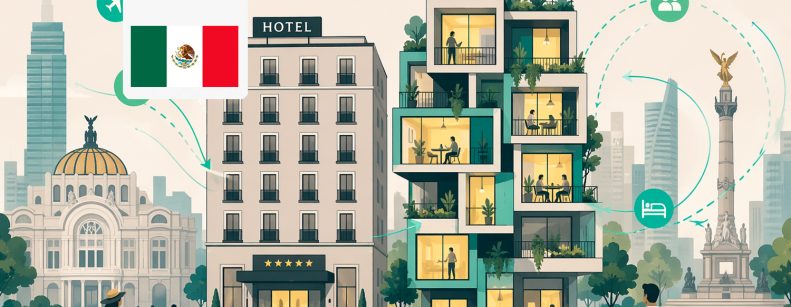
El turismo se ha consolidado como uno de los principales motores económicos a nivel global, y México sigue esta misma tendencia. Este crecimiento ha transformado el mercado de hospedaje, donde la demanda en ciudades clave ha superado la oferta hotelera tradicional, impulsando modelos alternativos como Airbnb, especialmente en entornos urbanos y culturales.
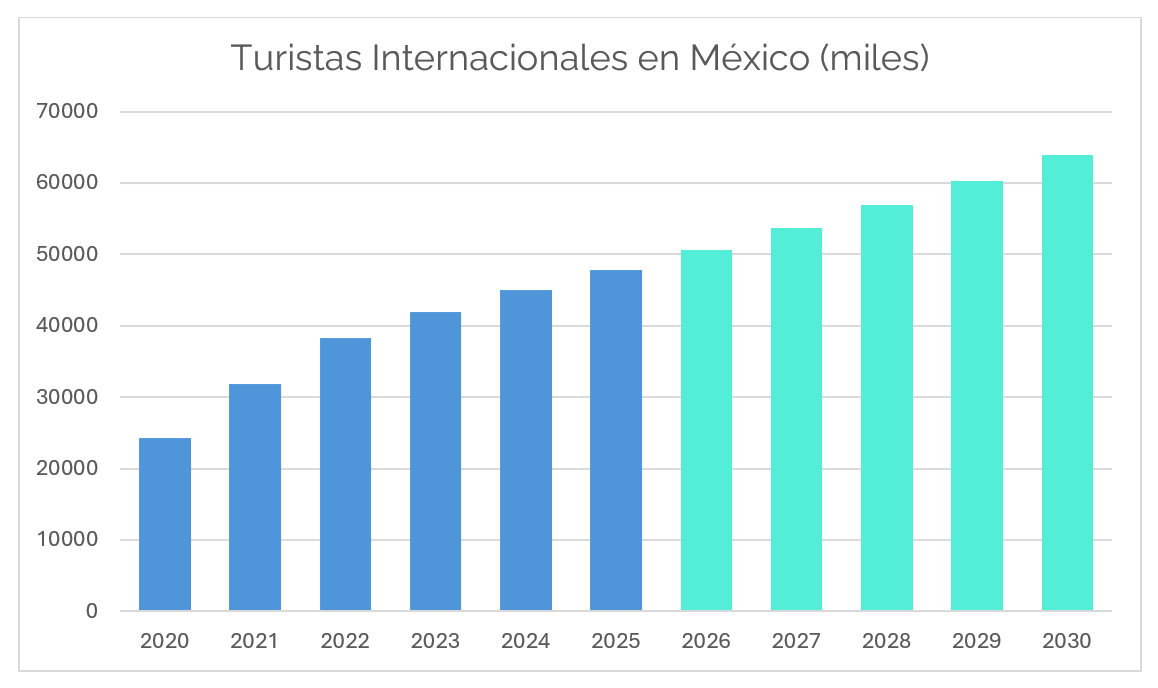
En 2025, el turismo mundial se posicionó como el sector de mayor crecimiento, alcanzando los 11,6 billones de dólares. Creció un 4,1% frente al 2,8% de la economía global, representando actualmente el 9,8% del PIB mundial.
México refleja este dinamismo: registró 47,8 millones de turistas internacionales, un incremento del 6,1% respecto a 2024, superando el promedio global. Se estima que esta tasa se mantenga en torno al 6% anual hasta 2030.
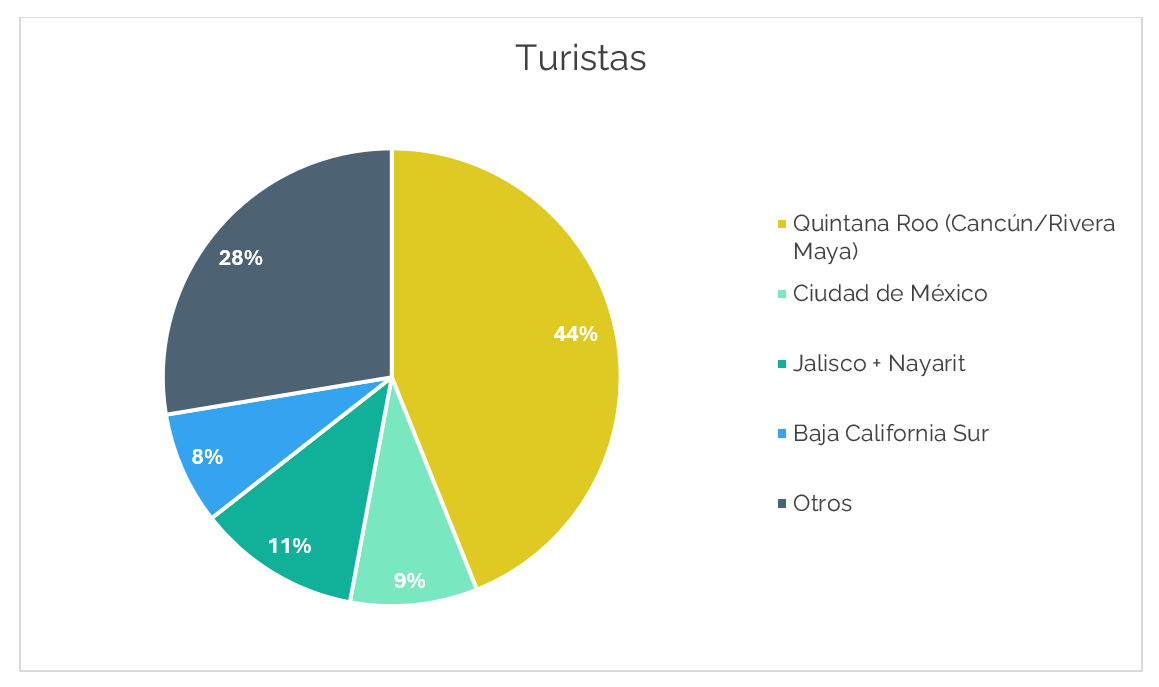
El turismo en México se concentra principalmente en ciertos estados. Quintana Roo lidera con 20–22 millones de visitantes anuales, seguido por la Ciudad de México con 14–15 millones, destacando como destino urbano y cultural. Baja California Sur recibe cerca de 4 millones, mientras que Jalisco y Nayarit presentan un crecimiento acelerado impulsado por desarrollos turísticos de lujo.
El mercado hotelero mexicano es uno de los más grandes del mundo, con más de 27.000 hoteles y 900.000 habitaciones, y una ocupación promedio de 60% a 65%. Es un mercado fragmentado con presencia de cadenas internacionales, grupos nacionales y operadores independientes.
Se divide en tres nichos principales: destinos de playa, altamente rentables pero intensivos en capital; ciudades, con alta demanda y flujo constante; y destinos culturales, el segmento más pequeño pero de mayor crecimiento, debido a la preferencia por experiencias auténticas.
En este contexto, Airbnb ha ganado relevancia. Opera en más de 1.200 destinos en México con aproximadamente 240.000 anuncios. En cinco años creció más del 140%, con un CAGR de 18%–20%, frente al 2% del sector hotelero.
En la Ciudad de México, Airbnb alcanza una ocupación promedio del 70% y generó 1,2 mil millones de dólares en 2024. Existen alrededor de 22.000 anuncios activos, concentrados principalmente en Cuauhtémoc, Miguel Hidalgo y Benito Juárez, donde se observan altos niveles de rentabilidad y demanda.
Además, han surgido empresas especializadas en la gestión de propiedades de corta estancia, que facilitan la operación mediante servicios como marketing, precios, mantenimiento y gestión de huéspedes.
Hacia 2030, se prevé que el sector hotelero continúe dominando destinos de playa con un enfoque en lujo, pero deje desatendido el segmento urbano, generando oportunidades para Airbnb. En paralelo, el mercado inmobiliario en la Ciudad de México tenderá hacia desarrollos híbridos que combinen venta, renta de largo plazo y operación en plataformas digitales, impulsados por la creciente demanda y la regulación hotelera.
Francisco Pulido
Analista de Inversiones México