


Fynsa

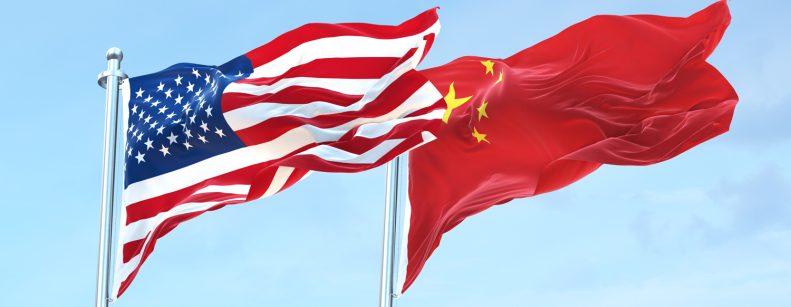
La rivalidad entre Estados Unidos y China no se trata solo de quién tiene la economía más grande, sino de cómo estas dos superpotencias manejan una relación difícil de interdependencia y competencia. Aunque Estados Unidos mantiene la economía más grande del mundo, su crecimiento no es el más rápido, y esto es crucial, porque una economía que crece más rápido puede desafiar el liderazgo estadounidense. China ya está en ese camino, planteando muchas dudas sobre el futuro de esta dinámica global.
En 2020, durante las presentaciones de visión estratégica que conversé con varios de nuestros clientes, hablé sobre el acuerdo comercial más grande del mundo: la Asociación Económica Integral Regional (RCEP). La RCEP es un acuerdo de libre comercio en la región de Asia y el Pacífico que incluye a 15 países, como Australia, China, Japón, Corea del Sur y Nueva Zelanda, entre otros. Firmado el 15 de noviembre de 2020, entró en vigor el 1 de enero de 2022, y abarca aproximadamente el 30% del PIB global y casi un tercio de la población mundial.
Para muchos, este acuerdo pudo haber pasado desapercibido debido a su lejanía geográfica. Sin embargo, no es casualidad que China, el principal promotor del RCEP, estuviera buscando estrategias para contrarrestar las crecientes tensiones con Estados Unidos, que imponía mayores aranceles y sanciones a sus negocios, como fue el caso de Huawei durante la administración Trump. Mientras tanto, China implementaba cambios internos, regulando tecnológicas como Alibaba y Didi, y permitiendo la caída de grandes inmobiliarias. El enfoque estaba en la autosuficiencia y la fortaleza económica hacia el 2035.
La importancia de estos cambios se volvió aún más evidente cuando Rusia invadió Ucrania y Occidente decidió congelar las reservas en dólares de Rusia como sanción. Para China, la lección fue clara: la estrategia es abandonar las transacciones en dólares y fomentar el comercio en su propia moneda. Este es uno de los objetivos clave del RCEP, ya que proporciona a China más independencia y proyección a largo plazo. China busca reducir su dependencia externa no solo del dólar, sino de otros actores en general. Este esfuerzo es parte de una política industrial más amplia que busca hacer a China más independiente y, por ende, darle más influencia y poder a nivel global.
Estados Unidos y China no son rivales en el sentido clásico de la Guerra Fría. Estas dos naciones son, al mismo tiempo, clientes, proveedores y competidores. Esta relación multifacética significa que cualquier cambio en la política o la economía en uno de estos países tiene repercusiones directas e indirectas en el otro (Trump 2025).
A pesar de los esfuerzos de Occidente por reducir la dependencia de las cadenas de suministro chinas, China ha aumentado significativamente su superávit comercial al expandirse en mercados emergentes. En los últimos cinco años, mientras que el comercio de China con Estados Unidos se ha estancado, su comercio con el sudeste asiático se ha más que duplicado. Hoy en día, el comercio de China con el sudeste asiático es más importante que con Estados Unidos, lo que refleja un realineamiento estratégico significativo.
La relación entre Estados Unidos y China está en evolución, influenciada por una combinación de factores económicos y geopolíticos. Ambas naciones están adoptando estrategias para manejar esta compleja interdependencia, buscando un equilibrio entre la cooperación y la competencia mientras reducen sus vulnerabilidades. En este contexto, la clave para ambos países será encontrar formas de coexistir y colaborar, a pesar de sus diferencias, para asegurar una estabilidad global en el largo plazo.


