


Fynsa


Mientras el entorno empresarial mexicano evoluciona, y moderniza su forma de financiamiento, el nearshoring sigue siendo un fenómeno estructural constante en México, con impacto en múltiples industrias más allá de la manufactura.
Nearshoring no es un concepto nuevo en México, y es un fenómeno estructural que trae una tendencia positiva a largo plazo en todas las industrias. La inversión extranjera directa en México (FDI) 2023, más los anuncios de inversión para el 2024, indican una perspectiva positiva de cara al futuro. También es importante hacer un seguimiento de la FDI nueva y reinvertida, y de su impacto en el nearshoring, ya que esa inversión tiene un efecto multiplicador en otros sectores económicos, generando múltiples oportunidades de inversión. Sin embargo, el entorno empresarial es dinámico y a menudo se ve afectado por cambios políticos y normativos. Por lo tanto, es crucial seguir de cerca estos cambios, ya que pueden tener implicaciones significativas en el clima empresarial y las decisiones de inversión.
El origen del nearshoring
Se inicia por la “guerra comercial” entre Estados Unidos y China que se comenzó el 2016, con la creación de la política estadounidense “Make America Great Again”, incentivando la salida de sus empresas de territorio asiático para promover el retorno a casa vía incentivos fiscales. Esto, sumado a la interrupción de las cadenas de suministro por la pandemia, el cierre del Canal de Suez y la invasión de Rusia sobre Ucrania, hizo que muchas empresas trasladaran sus operaciones productivas y/o comerciales a países que Estados Unidos considera aliados o socios comerciales, donde esas empresas puedan aprovechar los tratados comerciales activos con Estados Unidos, lo que se denomina “friendshoring”.
La relocalización de actividades industriales en México por el nearshoring es una gran oportunidad para los fondos de deuda privada o alternativa, ya que este abrió nuevas oportunidades de inversión que los fondos de capital privado pueden aprovechar para canalizar recursos en proyectos que hagan posible su desarrollo.
Durante los últimos años, México se ha transformado en un atractivo mercado para la inversión internacional, donde el nearshoring ha permitido captar inversiones entre 150.000 y 180.000 millones de dólares en los últimos cinco años, representando casi un 12% del PIB mexicano, lo que puede impactar hasta dos o tres puntos porcentuales al desarrollo económico del país.
Según cifras de AMEXCAP (Asociación Mexicana de Capital Privado) los fondos de capital privado agremiados a esta asociación han crecido, en promedio anual, alrededor del 10% en la última década, y durante el 2023, el levantamiento de fondos alcanzó aproximadamente 1.600 millones de dólares entre las diversas estrategias de capital, que han sido los vehículos de inversión responsables de captar estos recursos para su posterior inversión en empresas y proyectos.
Oportunidades del capital privado
El nearshoring representa una oportunidad para varias actividades económicas, pero sobre todo para el financiamiento, entre las que se destacan el financiamiento a desarrollos inmobiliarios para la construcción de naves industriales, bodegas y viviendas. También existe una buena oportunidad en las áreas de infraestructura y energía, como también a toda la cadena de proveedores por vía del financiamiento directo o por medio de factoring y/o confirming. 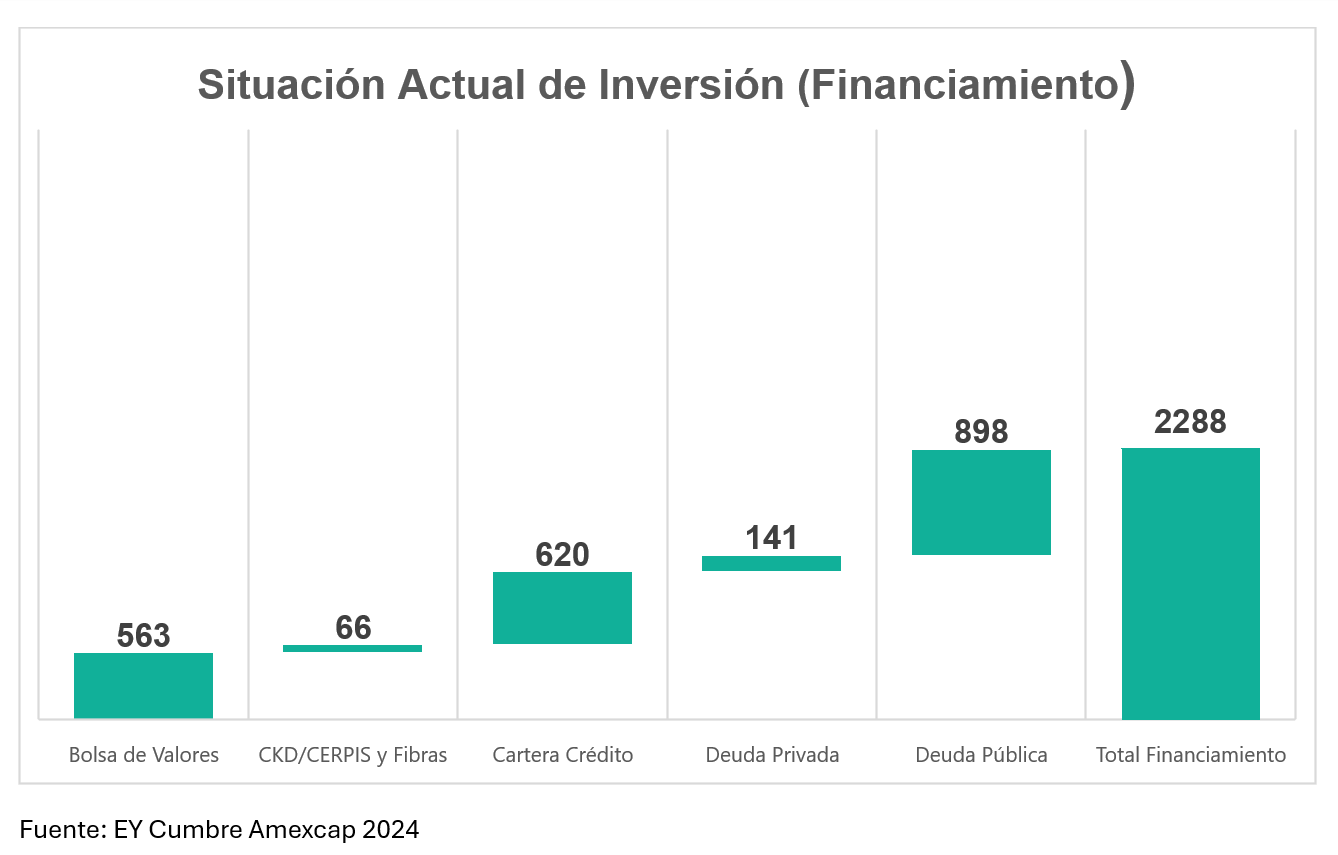
Cristián Rodríguez
Gerente Deuda Privada Fynsa AGF


