Fynsa

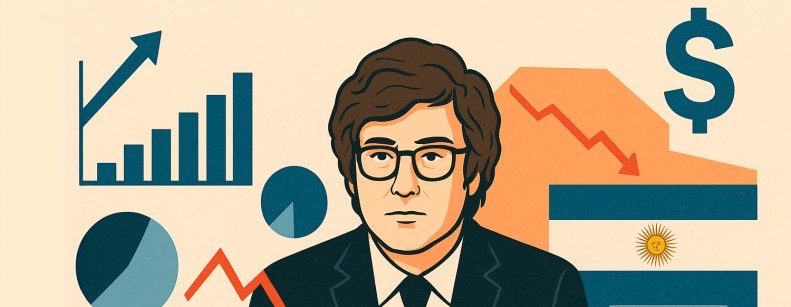
Argentina atraviesa un experimento económico inédito. A casi dos años de haber asumido, el presidente Javier Milei ha impulsado un ajuste drástico para estabilizar una economía marcada por la inflación crónica, el déficit fiscal y la desconfianza en el peso. Los resultados iniciales han tenido resultados positivos. Sin embargo, en lo más reciente, la popularidad del gobierno se ha resentido y los mercados han mostrado signos de “pánico político”, lo que motivó a que Estados Unidos, el principal aliado geopolítico de Argentina, expresara su apoyo total al plan del gobierno mediante el secretario del Tesoro de Estados Unidos, Scott Bessent, y el presidente Donald Trump.
Javier Milei asumió con un diagnóstico compartido por la mayoría de los economistas: el país no podía seguir sosteniendo la inflación que venía arrastrando ni financiarse con emisión sin límite. A ello se sumaba un mercado cambiario distorsionado, con múltiples tipos de cambio y una brecha gigantesca entre el dólar oficial y el paralelo.
Además, la calidad crediticia de Argentina seguía condicionada por la falta de acceso a mercados internacionales, lo que obligaba a una continua negociación con organismos multilaterales. La pobreza y el deterioro institucional completaban un cuadro de urgencia que requería medidas rápidas, aunque impopulares.
El gobierno respondió con una estrategia doble: “motosierra” y “licuadora”. La primera apuntó a recortar gastos del Estado, mientras que la segunda consistió en licuar el gasto público mediante la inflación. El resultado fue un superávit fiscal, algo que no se lograba desde hace años. Y la inflación, aunque aún en niveles de dos dígitos, mostró una desaceleración respecto a los años anteriores (33,6% en agosto vs máximo 289,4% en abril del 2024).
Un desafío central es el plano social. El ajuste ha profundizado la recesión: la actividad económica cayó, el consumo se desplomó y la pobreza aumentó. En paralelo, persiste un frente institucional complejo: Milei carece de mayoría legislativa para aprobar reformas estructurales y el país sigue mostrando instituciones débiles, un factor clave para sostener el crecimiento y la confianza en el largo plazo.
La popularidad presidencial, que fue un activo clave en sus primeros meses para tomar medidas necesarias pero impopulares, muestra señales de deterioro, con un 53,7% de los argentinos desaprobando a Milei según LatAm Pulse, aumentando por tercer mes consecutivo.
Ese desgaste ya comenzó a reflejarse en las urnas. El 7 de septiembre se desarrollaron las elecciones provinciales, en donde la oposición ganó en la provincia de Buenos Aires, la más poblada del país, generando un golpe político al gobierno. Además, los resultados de estas elecciones son utilizados como un termómetro para las elecciones legislativas de finales de octubre, en donde se renueva parcialmente la cámara de diputados y el Senado. Sin embargo, las encuestan aún muestran un resultado favorable a Milei para esas elecciones.
Las reacciones del mercado no se hicieron esperar, con el índice accionario del Merval disminuyendo, tasas de bonos aumentando, y ventas de la moneda argentina. Esto último ha sido lo más relevante, porque la política cambiaria del gobierno está siendo mantener un tipo de cambio flotante con bandas, por lo que el Banco Central está utilizando sus pocas reservas para mantener el peso dentro del rango acordado con el FMI en el marco de un préstamo recibido a inicios de este año.
Sin embargo, en medio de esas dificultades, Donald Trump y Scott Bessent respaldaron totalmente al gobierno de Milei, comprometiéndose a ayudar a Argentina para evitar que la historia de fracasos económicos se repita. Con esto, Argentina podría esquivar una depreciación de su moneda que pondría en riesgo el control de la inflación y el plan económico de Milei.
La economía argentina sigue caminando sobre una delgada línea. Un episodio de pánico financiero, con salida masiva de capitales o una nueva corrida cambiaria, podría borrar todos los avances recientes. Del mismo modo, el descontento social y la fatiga por la recesión podrían generar tensiones políticas que bloqueen el programa de reformas.
Milei ha logrado en poco tiempo lo que parecía imposible: contener la inflación desbordada y reducir drásticamente el déficit fiscal. Sin embargo, el costo social y político es alto, y el camino hacia una recuperación duradera aún está lejos de estar asegurado. El apoyo internacional brinda un respiro, pero la verdadera prueba será si la sociedad argentina puede resistir lo suficiente como para que los frutos de la estabilización se transformen en crecimiento sostenible.
Vicente Dourthé
Portfolio Manager Deuda Privada Fynsa AGF