Fynsa

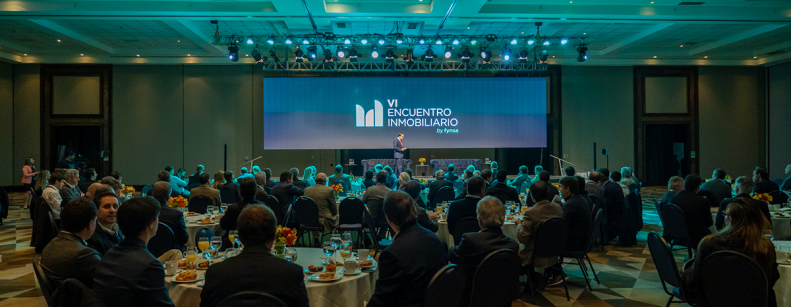
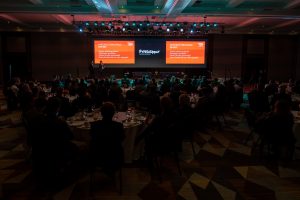
A meses de cumplir sus 40 años, FYNSA retomó de forma presencial sus tradicionales Encuentros Inmobiliarios, nuestro principal evento en el año. En esta ocasión, el Encuentro convocó a una gran audiencia en el Metropolitan Santiago Convention & Event Center para hablar del nuevo entorno macroeconómico y su impacto en el sector inmobiliario, así como de las oportunidades que surgen. También escuchamos las experiencias de desarrollo inmobiliario en Estados Unidos, con expositores de dos firmas asociadas a FynsaUpper en ese mercado.
El arquitecto y urbanista Iván Poduje planteó un complejo escenario para los próximos años en Santiago, resaltando la amplia brecha que se ha generado entre la evolución del precio de las viviendas y la de los salarios y los nuevos problemas de la ciudad, como el descontrol y caos en muchos edificios construidos para arriendo y la aparición de zonas con profundos problemas de seguridad. La “ciudad octubrista”, como le llama.
¿Soluciones? Abandonar la densificación en las zonas centrales y desarrollar proyectos residenciales con áreas verdes y servicios en la periferia, incluyendo barrios industriales, donde los terrenos son más baratos. También involucrar a los compradores de estas viviendas en la concepción y desarrollo de los proyectos.
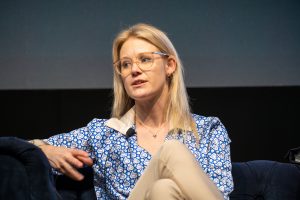
Por su lado, Alicia Miller, vicepresident de Capital Markets en Whitestone, explicó la estrategia de su fondo, enfocado en el desarrollo de viviendas para personas de bajos ingresos, mayores o discapacitados en el centro de Estados Unidos bajo el programa Housing Choice Voucher Program del gobierno federal, que ayuda a estas personas a arrendar viviendas dignas y seguras.
Los proyectos de Whitestone ayudan a desarrollar este tipo de oferta mientras ofrecen un muy buen retorno a sus inversionistas.
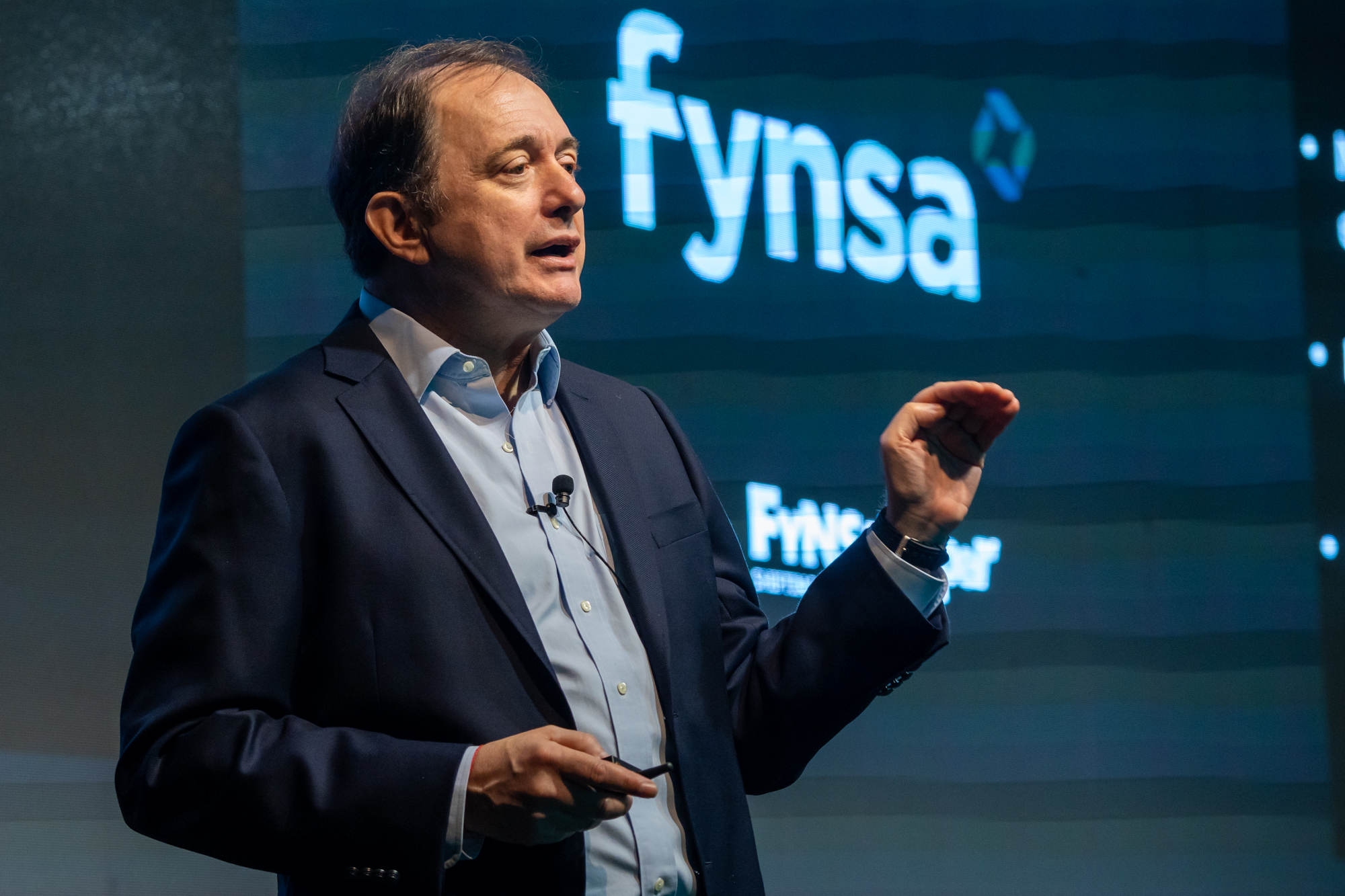
Por último, David Wallace, fundador de DGW Consultants, resaltó la importancia y efectividad de las Asociaciones Público-Privadas para el desarrollo de proyectos inmobiliarios que generan valor a la comunidad, tomando como ejemplo el proyecto de reconversión del Tri-County Mall, ubicado en Springdale, Cincinnati, Ohio, en el que participa FYNSAUpper a través de MarketSpace Capital. El proyecto considera la construcción en un área de alrededor de 30 hectáreas de hasta 20 edificios residenciales, con 2.600 unidades residenciales, hasta cinco edificios de oficinas y hasta 30 edificios para tiendas, restaurantes y entretenimiento, además de dejar espacio para centros educacionales, un hotel, áreas verdes y centros de entretención. Su desarrollo servirá para revitalizar la ciudad de Springdale, que vio disminuir su actividad y atractivo a medida que el modelo de negocios tradicional del mall entró en crisis en los últimos años.