Fynsa

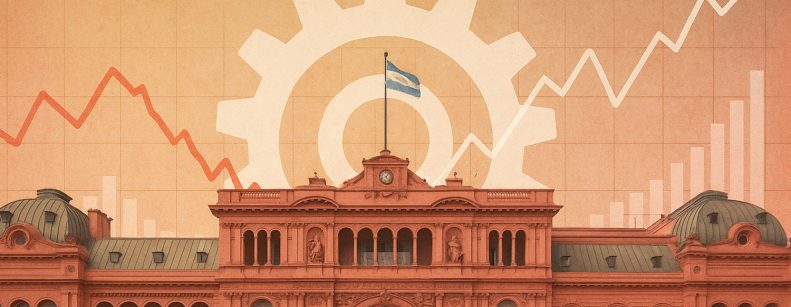
El domingo pasado, contra todo pronóstico y atravesando numerosas vicisitudes, La Libertad Avanza, el partido liderado por Javier Milei, arrasó en las elecciones de medio término. Con este resultado, el oficialismo logra consolidar una mayoría política que lo habilita a profundizar las reformas liberales destinadas a encaminar a Argentina hacia un nuevo ciclo de crecimiento y prosperidad sostenida.
El recambio generacional emerge como el principal motor de este cambio, mientras que el viejo peronismo, sin líderes claros ni narrativa renovada, parece ingresar en una etapa de declive estructural.
En el centro del programa económico de Milei se ubica la disciplina fiscal, un principio que el presidente ha defendido desde el primer día como condición indispensable para romper con las crisis cíclicas del país. En su visión, la raíz de todos los colapsos argentinos reside en los excesos del gasto público y en la irresponsabilidad política que los promovió.
Sobre esa base, el nuevo rumbo propone desregular la economía, simplificar el sistema tributario y reducir impuestos, devolviendo aire al sector privado como motor del desarrollo.
Sin embargo, para transformar la teoría en resultados, Milei deberá exhibir flexibilidad política. Las reformas estructurales que necesita la economía —en particular las laborales e impositivas— solo podrán avanzar mediante acuerdos con sectores de la oposición constructiva. Lograr ese equilibrio entre convicción y pragmatismo será clave para que el proceso reformista no naufrague en el Congreso ni en la calle.
Tras el duro ajuste fiscal implementado para ordenar las cuentas públicas, el desafío ahora pasa por sostener la gobernabilidad y la popularidad, mostrando signos de reactivación económica. El gobierno apuesta a que la estabilización siente las bases para una recuperación sustentada en la inversión privada.
El plan incluye aliviar la presión tributaria, eliminar impuestos de baja recaudación y estimular la formalización del trabajo. En Argentina, se estima que más de 8 millones de personas —alrededor del 42% de los ocupados— se desempeñan en la informalidad. Integrar a ese universo al sistema formal, mediante la reducción de costos laborales y regulatorios, podría transformar radicalmente el mercado de trabajo y ampliar la base imponible para bajar impuestos.
Argentina enfrenta una oportunidad histórica: dejar atrás décadas de populismo fiscal y abrir paso a una economía moderna y competitiva. Pero el camino no será sencillo.
El éxito dependerá de la capacidad del Gobierno para construir consensos, de su resistencia frente a la presión corporativa y sindical, y del tiempo que la sociedad esté dispuesta a conceder a un proceso de transformación que, aunque doloroso en el corto plazo, podría sentar las bases de un país más libre, estable y próspero.
Por primera vez en generaciones, la política, la sociedad y la economía parecen alinearse en una misma dirección. Es un punto de inflexión que pocos creían posible: la ruptura con el viejo orden y el nacimiento de una nueva Argentina que se anima —por fin— a cambiar en serio.
La historia dirá si esta vez el país logra sostener el rumbo o si, una vez más, cede ante sus propios fantasmas. Pero lo cierto es que el momento es ahora.
Pablo Gonella
Sub Gerente Renta Fija Internacional Mesa de Dinero