Fynsa

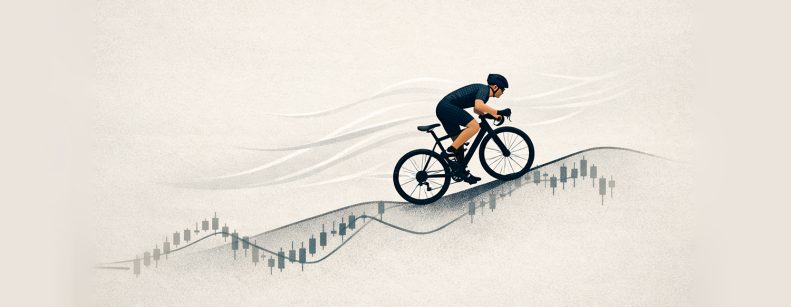
En ciclismo, ya sea de ruta, contrarreloj o similar, una de las cosas más desafiantes es enfrentar un viento en contra. Algunos me cuestionarán y dirán que de costado es peor, por el riesgo a caídas, pero la verdad es que un viento en contra no solo afecta el rendimiento físico, ya que la velocidad a un esfuerzo dado es bastante menor, sino que además el rendimiento mental, al ser tremendamente desalentador.
Algo así creo es lo que estamos enfrentando ahora como economía. El Imacec de febrero nuevamente evidenció una variación interanual negativa (-0,3%), lo que, a diferencia del mes anterior, fue extremadamente sorpresivo. Enero tenía una base de comparación bastante exigente, pero para el segundo mes del año la situación distaba de ser así, además de no tener diferencias en términos de días hábiles.
Descomponiendo, también podemos notar algo bastante curioso. Durante el último tiempo, la mayoría de los resultados que se encontraron bajo la expectativa tenían como componente común un desempeño bastante negativo de la minería, mientras que el resto de los sectores, sin destacar, evidenciaban una dinámica más favorable. Aunque en esta oportunidad, la incidencia negativa del sector minero sigue siendo cierta (por noveno mes consecutivo), por segundo mes consecutivo la incidencia negativa del resto de los sectores es igual o mayor que la del sector minero. Esto llevaba por lo menos un año y medio sin ocurrir y, aunque aún no encontramos razones para alarmarnos más de la cuenta, creemos que hay varias cosas a monitorear.
En primer lugar, no perdamos de vista que estos datos son a febrero, es decir, se dan en un contexto en que el escenario internacional era positivo, las estimaciones de crecimiento de nuestros socios comerciales se corregían al alza, los términos de intercambio nos sonreían y las expectativas locales mostraban mejoras continuas. En segundo lugar, ha habido un comportamiento decepcionante del consumo privado que se puede explicar por una caída significativa del turismo argentino, de una magnitud similar al aumento que se observó durante 2025. De continuar esta normalización, el consumo no debiese mostrar señales de mejora durante los próximos meses, a menos que sea rápidamente compensado por consumo de residentes, lo que por lo menos hasta ahora no ha ocurrido. Finalmente, hacia adelante, Chile enfrenta un escenario incierto, con un sorpresivo traspaso violento de los costos de la energía hacia los hogares y empresas, una recuperación del empleo que aún no se observa en los números y perspectivas menos favorables ante la incertidumbre internacional. Lo anterior tiene efectos tanto en la demanda interna como la externa y sería ingenuo pretender que aquello no tendría efectos en la actividad, aunque fuesen transitorios.
Es de esta manera que, tanto por los datos decepcionantes que hemos conocido hasta ahora, como por el deterioro de los fundamentales para la economía chilena, hemos recortado nuestra expectativa de crecimiento hasta 1,9% para 2026. Esto supone alguna especie de estabilidad hacia la segunda parte del año, por lo que, en caso de no ocurrir, podríamos realizar ajustes adicionales.
El viento se ha plantado en contra y poco podemos hacer para cambiar aquello. Ahora es momento de mostrar nuestras habilidades para tratar de minimizar estos efectos en nuestro rendimiento.