Fynsa

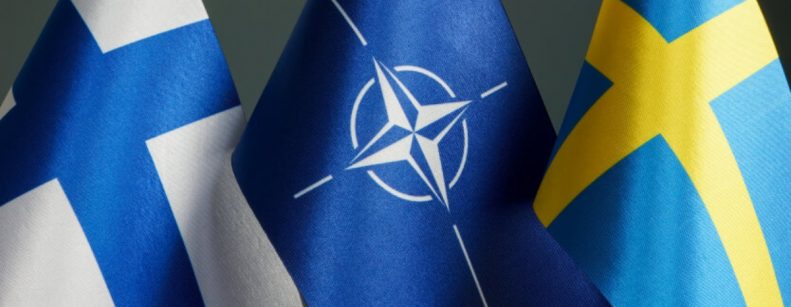
Que Finlandia y Suecia hayan solicitado su ingreso a la OTAN no es un hecho trivial. Nos habla de cambios profundos, y probablemente irreversibles, en la estructura de seguridad europea. FYNSA organizó un webinar sobre este importante tema para sus clientes, con la periodista Magdalena Guzmán.
“Tras el término de la Segunda Guerra Mundial, y luego de la devastación causada por ambas guerras,” señaló Magdalena, “los países europeos buscaron la manera de no volver a repetir los niveles de agresión y destrucción vividos en la primera mitad del siglo XX. Se ‘acordó’ (de manera implícita) que las fronteras de los países soberanos no podían moverse a la fuerza. Y se trabajó en la construcción de un orden institucional que les permitiera resolver sus diferencias a través de los canales adecuados”.
“Asimismo, la presencia de países neutrales jugó un rol clave en la estabilidad del continente, en la medida que éstos desempeñaron un papel de equilibrio fundamental como punto de contacto entre países con intereses antagónicos. El ingreso de Suecia y Finlandia en la alianza transatlántica podría suponer el desmantelamiento del último pilar de la ‘arquitectura de la paz’, estructura que ayudó a garantizar la seguridad en Europa, permitiendo, junto con un sólido orden institucional, años de paz y estabilidad como no se había visto en mucho tiempo en Europa”, agregó.
También se preguntó qué cambiaría si Finlandia y Suecia se integran a la OTAN. “Significará importantes cambios geopolíticos. Se reforzaría una de las más grandes alianzas militares de la historia, la frontera entre la OTAN y Rusia se extendería 1300 kilómetros y el mar Báltico se convierte en un ‘lago OTAN’, con lo que Rusia quedaría sin salida al Atlántico. “Finlandia y Suecia podría ser la punta de un iceberg de cambios fundamentales en la arquitectura de Europa”, dijo Magdalena.
Puede ver el webinar ACÁ.