Fynsa

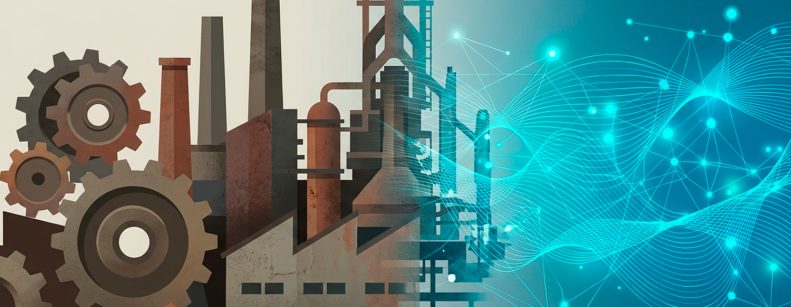
Si viajaras a 1975 y compraras acciones de las empresas más grandes del mundo, estarías comprando acero, ladrillos y maquinaria pesada. En esa época, el 83% del valor de mercado corporativo correspondía a bienes físicos. Básicamente, la economía era puro “hardware”.
Hoy, la realidad se ha invertido por completo: según los estudios de la firma Ocean Tomo [1], el 92% del valor del S&P 500 es intangible.
Bienvenidos a la economía de la desmaterialización. Si inviertes en las grandes empresas de la actualidad, ya no compras infraestructura física; compras código, algoritmos, bases de datos, patentes y la atención de la gente. El mundo corporativo moderno se ha convertido en “software”.
En su libro de referencia “Capitalism without Capital”, Jonathan Haskel y Stian Westlake explican que este cambio de paradigma exige nuevas reglas. Los activos desmaterializados no se comportan como los bienes de la era industrial, sino que se rigen por cuatro dinámicas clave:
Entender esta transición es fundamental para el análisis moderno. El capital más valioso del siglo XXI ya no es el que ensambla piezas, sino el que procesa información. De hecho, los datos del McKinsey Global Institute [2] demuestran que las empresas que lideran la inversión en capital intangible crecen a un ritmo significativamente mayor que sus competidoras tradicionales.
Si observamos los negocios esperando que las reglas del mundo físico sigan dominando, nos quedaremos atrás. La verdadera riqueza de nuestra época ya no ocupa espacio en un almacén; reside en la arquitectura de sus redes.
Matías Márquez
Analista Fondos Financieros Fynsa AGF
[1] Intangible Asset Market Value Study – Ocean Tomo
[2] Getting tangible about intangibles: The future of growth and productivity? | McKinsey