


Fynsa

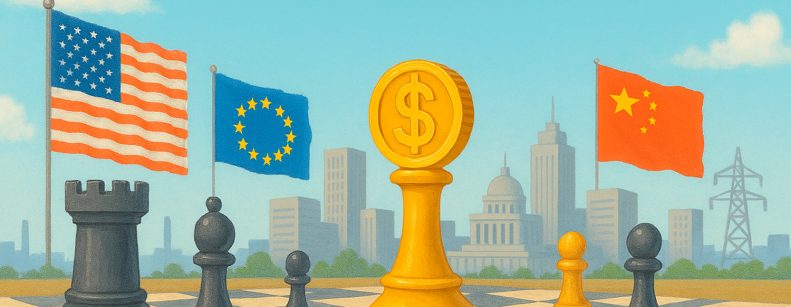
El libre comercio, tal como lo conocimos en las últimas décadas, está dando paso a una nueva lógica: la geoeconomía. En este paradigma emergente, los países ya no compiten solo por eficiencia o innovación, sino que utilizan la economía como una herramienta más de poder político.
Así lo plantea un reciente reportaje del Financial Times, que detalla cómo las grandes potencias están reescribiendo las reglas del comercio, la inversión y la cooperación tecnológica.
El fenómeno no es nuevo, pero se ha intensificado desde la pandemia, la guerra en Ucrania y el endurecimiento de las tensiones entre EE.UU. y China. En respuesta, muchas economías desarrolladas están redoblando sus políticas industriales y aplicando restricciones con criterios estratégicos.
El objetivo común: reducir dependencias estratégicas, asegurar el suministro de tecnologías clave y proteger sectores considerados vitales para la seguridad nacional.
¿Qué implica esto para el mundo financiero?
Este giro tiene efectos directos sobre los flujos de capital, las decisiones empresariales y el crecimiento económico:
Como explica el FT, esto podría marcar el fin de la era en que “los mercados mandaban” y dar paso a un entorno donde el Estado vuelve a jugar un rol central en la dirección económica.
¿Y qué tiene que ver Chile con todo esto? Aunque alejado de los principales polos de tensión, Chile no está ajeno a esta nueva lógica. Como país productor de recursos críticos para la transición energética —como el cobre y el litio—, se encuentra en una posición estratégica.
Fynsa


