Fynsa

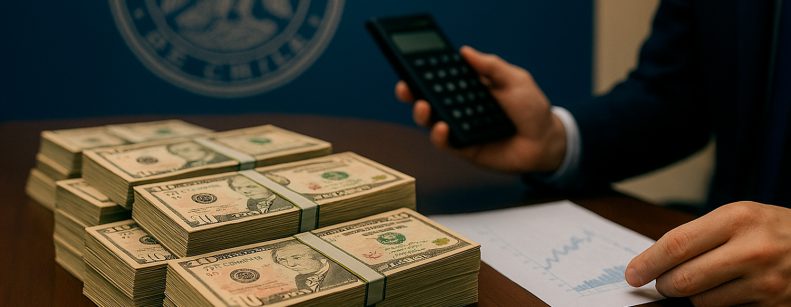
Comenzaba el año 2021, año todavía marcado por la pandemia, cuarentenas, PCRs e incertidumbre. Crisis económica mientras el mundo se las ingeniaba para seguir funcionando. En este contexto, en enero, el Banco Central anunciaba un programa para aumentar sus reservas internacionales, con un programa que pretendía acumular US$12.000 millones en un periodo de 15 meses. Éste comprendía compras diarias de hasta US$40 millones, mediante subastas competitivas. Las razones esgrimidas en aquel entonces se enfocaban en la recuperación de los US$2.500 millones (aprox) utilizados en la intervención cambiaria luego de la crisis social, sumado al objetivo de que las reservas alcanzaran 18% del PIB, que es considerado adecuado según la literatura.
Sin embargo, este programa no llegó a término. Las condiciones financieras y económicas dijeron lo contrario, ya que la incertidumbre local provocó que el peso se depreciara de manera abrupta e importante. Así, en octubre y con un poco más de la mitad de las compras realizadas, la acumulación llegó a su fin. Si bien parte de los objetivos se habían completado, no lo habían hecho completamente.
Así, y luego de otra intervención que ocupó parte de lo que se acumuló aquella vez, los niveles de reservas internacionales continuaban bajos respecto a las recomendaciones internacionales, lo que, sumado al creciente incremento de la deuda pública, empeoraba los indicadores se solvencia externa. Sin embargo, en una economía con recursos limitados (aunque algunos no lo entiendan) y necesidades infinitas, retornar a ese 18% de reservas debía esperar. Hasta ahora.
De esta forma, el Banco Central anunció que comenzará un nuevo programa de acumulación de reservas internacionales, con compras diarias de hasta US$25 millones diarios, comenzando el 8 de agosto, con una duración de 3 años. Así, espera acumular US$18.500 millones (5,5% del PIB) durante el periodo, para llevar las reservas a un total cercano a los US$65.000 millones (19% del PIB proyectado aprox). Hoy, las reservas alcanzan US$46.400 millones (14% del PIB aprox).
Hasta finales de año, deberíamos ver compras por hasta US$2.600 millones, para luego observar acumulación de hasta US$3.125 millones por semestre. Las operaciones se ejecutarán antes de la apertura de mercado, y se liquidarán al observado del día.
Desde nuestras proyecciones, este programa era esperado. Lo que llama la atención es el momento, ya que acaba de comenzar a recortar la tasa nuevamente (aunque serán solo algunas bajas), hay cierto consenso en que el peso se encuentra sobrevendido y no es claro que la FED inicie un ciclo de bajas en septiembre (o quizás en el año). Sin embargo, no es obvio que los efectos sobre el peso sean “negativos”, ya que en algún momento había que ponerle el cascabel al gato y fortalecer la posición del Banco para hacer frente a turbulencias internacionales. Quizás es esta fortaleza lo que necesita el peso para dejar de verse como el patito feo de los activos chilenos o, por lo menos, es el primer paso.