Fynsa

La Hipótesis de los Mercados Eficientes, desarrollada por el premio Nobel de Economía Eugene Fama, sostiene que los precios de los activos reflejan toda la información pública disponible, incluso en los niveles más bajos de eficiencia de mercado, y representan el mejor indicador del valor de una compañía. Según esta teoría, cualquier desviación de este principio generaría oportunidades de arbitraje que corregirían rápidamente los precios. Sin embargo, esta hipótesis, aunque fascinante, ha sido objeto de intensos debates académicos, especialmente tras los trabajos sobre fallos de mercado por información asimétrica que valieron el Nobel a Joseph Stiglitz, George Akerlof y Michael Spence.
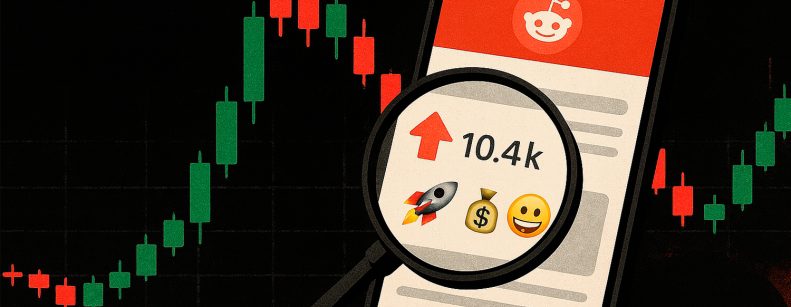
Lejos de las discusiones académicas y de la racionalidad financiera, en las últimas semanas ha resurgido con fuerza el fenómeno de las “acciones meme” (VER). Compañías como Krispy Kreme, GoPro, Opendoor y, más recientemente, American Eagle, han experimentado alzas vertiginosas, recordando la fiebre de 2021 liderada por acciones como GameStop. En aquel entonces, inversores minoristas, organizados principalmente en el foro WallStreetBets de Reddit, impulsaron movimientos de precios extraordinarios a través de plataformas de trading sin comisiones como Robinhood. Estas plataformas facilitaron el acceso a apalancamiento e instrumentos financieros complejos, lo que permitió a estos inversores generar un impacto descomunal, incluyendo pérdidas millonarias para fondos de cobertura mediante un fenómeno conocido como short squeeze (VER). Este episodio desafió abiertamente la Hipótesis de los Mercados Eficientes, acercándose más al universo de los memes que al análisis financiero tradicional.
Una acción meme se caracteriza por fundamentos financieros débiles, un alto volumen de posiciones cortas (apuestas a la baja por su mal desempeño) y una viralidad explosiva en plataformas como Reddit o X. Esta viralidad suele buscar desencadenar un short squeeze. Factores como un nombre o nemotécnico atractivo, como Krispy Kreme (DNUT) o Rocket Companies (RKT), pueden amplificar el entusiasmo. En otros casos, eventos externos, como los anuncios protagonizados por la actriz Sydney Sweeney que impulsaron a American Eagle (VER), actúan como detonantes de esta fiebre.
Las alzas desproporcionadas de las acciones meme se explican por dos factores principales. Primero, el alto volumen de posiciones cortas provoca un short squeeze: cuando el precio de la acción sube, los inversores con posiciones cortas enfrentan pérdidas significativas, lo que los obliga a cerrar sus posiciones comprando más acciones, lo que a su vez eleva aún más el precio en un círculo vicioso. Segundo, la viralidad de estas acciones en redes sociales atrae a inversores minoristas impulsados por el miedo a quedarse fuera (FOMO, por sus siglas en inglés: Fear of Missing Out). Estos inversores compran masivamente, inflando la burbuja hasta que estalla, dejando a quienes entraron tarde con pérdidas considerables. Este fenómeno refleja una tendencia de inversión basada en el sentimiento, donde la viralidad en redes sociales eclipsa el análisis fundamental, generando alzas rápidas pero insostenibles.
Para comprender la ola actual, es clave revisar la locura de 2021, que marcó un precedente de exuberancia irracional. Acciones como GameStop (GME) y AMC Entertainment (AMC) se convirtieron en íconos, impulsadas por inversores minoristas coordinados en WallStreetBets. GameStop, un minorista en declive, vio su precio dispararse más del 1,500% en enero de 2021 debido a un short squeeze que castigó a los fondos de cobertura que apostaban en su contra. AMC siguió un patrón similar, con inversores minoristas aprovechando plataformas como Robinhood para amplificar su impacto. Este período estuvo marcado por una volatilidad extrema, con el índice CBOE VIX reflejando el caos en los mercados. Aunque demostró el poder de la acción colectiva minorista, también expuso sus riesgos, ya que muchos inversores tardíos sufrieron pérdidas significativas cuando los precios colapsaron.
Mientras los inversores minoristas alimentan la volatilidad de las acciones meme, especialmente aquellos que entran tras el short squeeze, los inversores profesionales han sabido capitalizar estos movimientos erráticos. Según el informe de Barclays “Impact of Retail Options Trading”, los actores institucionales aprovechan la alta volatilidad de las acciones meme mediante estrategias de opciones, beneficiándose del caos generado por el FOMO minorista. Algunas publicaciones han señalado que la compra coordinada de minoristas actúa como catalizador de movimientos exagerados, que los profesionales explotan con herramientas sofisticadas. Esta dinámica pone en evidencia un contraste: mientras los inversores minoristas persiguen la euforia, los profesionales se benefician a su costa. Los mayores perdedores son los inversores con posiciones cortas en la fase inicial y los ‘’minoristas que entran tarde, motivados por el entusiasmo, mientras que los organizadores y quienes capitalizan la volatilidad se enriquecen.
En resumen, el fenómeno de las acciones meme, tanto en 2021 como en la actualidad, es una anomalía fascinante pero peligrosa. El FOMO impulsa a los inversores minoristas a ignorar los fundamentos, creando burbujas que suelen estallar con consecuencias devastadoras. Como profesionales de la inversión, es crucial abogar por la prudencia: estas irracionalidades, aunque atractivas, deben observarse con distancia. Los inversores minoristas arriesgan pérdidas significativas al dejarse llevar por el entusiasmo. Una inversión sólida debe priorizar fundamentos como ganancias, crecimiento y estabilidad, en lugar de sucumbir al frenesí de las redes sociales. Un portafolio robusto no puede construirse en un casino.
Gabriel Haensgen
Analista Senior Fondos Financieros Fynsa AGF