


Fynsa

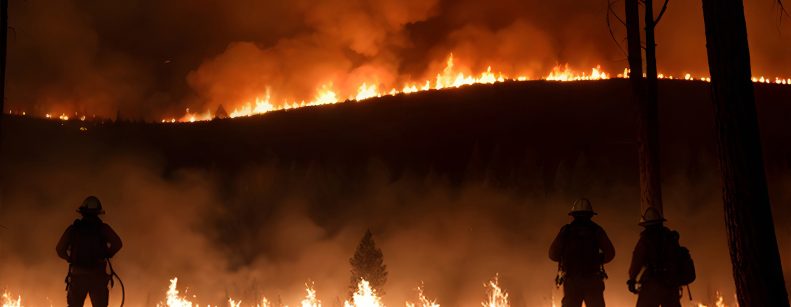
Los eventos climáticos extremos se han consolidado como uno de los mayores riesgos para la economía global en 2025, según el último informe del Foro Económico Mundial (WEF). Estos fenómenos naturales no sólo causan devastación inmediata, sino que también tienen repercusiones económicas a largo plazo, afectando principalmente a sectores como la agricultura, ganadería y turismo.
Los incendios forestales y otros desastres, como huracanes y sequías, fracturan las perspectivas mundiales en diversos ámbitos. Los costos directos e indirectos derivados de estos eventos son elevados. En California, por ejemplo, los incendios recientes han causado pérdidas que oscilan entre los US$250.000 y US$275.000 millones, afectando propiedades, empleos y presupuestos públicos.
Además, estos desastres pueden eliminar entre 15.000 y 25.000 puestos de trabajo, lo que exacerba la inestabilidad económica. La destrucción de infraestructura y la pérdida de productividad también generan volatilidad en los mercados financieros, afectando la confianza de los inversores y aumentando la incertidumbre económica.
Bajo el fuego enemigo
Siguiendo con los incendios en California, estos han sido catalogados como unos de los más destructivos en la historia de la región. Más de 27 personas han perdido la vida, y miles de hectáreas de tierra han quedado arrasadas, afectando tanto a propiedades como a la infraestructura pública.
En Chile, el escenario es similar, aunque la superficie arrasada por incendios es menor que en 2024. Las regiones del Biobío (472), Metropolitana (450) y La Araucanía (417) son las más afectadas. Sin embargo, los efectos económicos no se limitan a las pérdidas directas, ya que el impacto se extiende a otros sectores de la economía.
El mercado de materias primas es uno de ellos, especialmente en sectores como el maderero. La destrucción de recursos forestales podría incrementar los precios de la madera, creando oportunidades especulativas en este mercado. Además, la agricultura podría experimentar aumentos en los precios de productos como frutas y verduras.
Aunque los desastres naturales no suelen afectar los índices principales, como el S&P 500, generan volatilidad y aumentan el interés por “activos refugio”, como el oro y el dólar.
La resiliencia económica global dependerá de la capacidad de los gobiernos y las empresas para mitigar estos riesgos y adaptarse a los nuevos desafíos en la materia.
Fynsa


