Fynsa

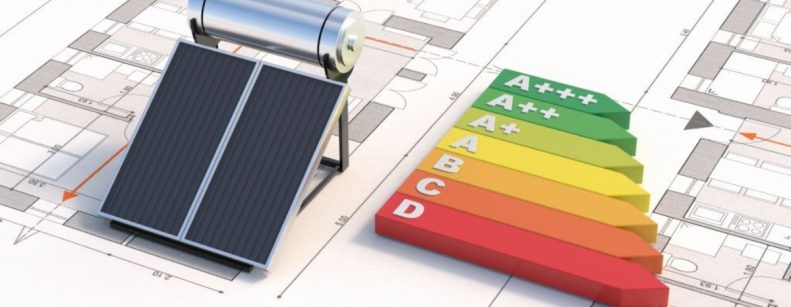
¿Cómo aprovechar mejor la riqueza en energía solar con que cuenta Chile? El país cuenta con uno de los mayores índices de irradiación solar por metro cuadrado en el mundo, lo que se ha traducido en un creciente número de proyectos de generación de electricidad a partir de paneles fotovoltaicos, tanto en instalaciones de gran escala como en sistemas medianos. La generación distribuida –instalaciones más pequeñas de conexión local o para autoconsumo—no han crecido al mismo ritmo, en parte debido a temas regulatorios o de trazabilidad de la energía generada.
Este hándicap ha sido visto como una oportunidad por el Centro de Transición Energética de la Universidad Adolfo Ibáñez (Centra) y la Asociación Chilena de Energía Solar (Acesol), que han unido fuerzas para desarrollar un proyecto de investigación aplicada orientada a la integración de recursos energéticos.
El proyecto busca desarrollar una plataforma y herramientas computacionales para emular el comportamiento de la red eléctrica y facilitar la ubicación eficiente de recursos como baterías, techos solares y estaciones de carga de vehículos eléctricos, por ejemplo.
Con ello, los promotores de la iniciativa buscan influir en las políticas públicas y destrabar las inversiones en generación distribuida, creando cambios regulatorios para impulsarla.
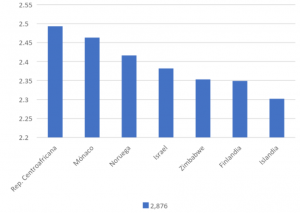 Fuente: CNE, Flux Solar