Fynsa

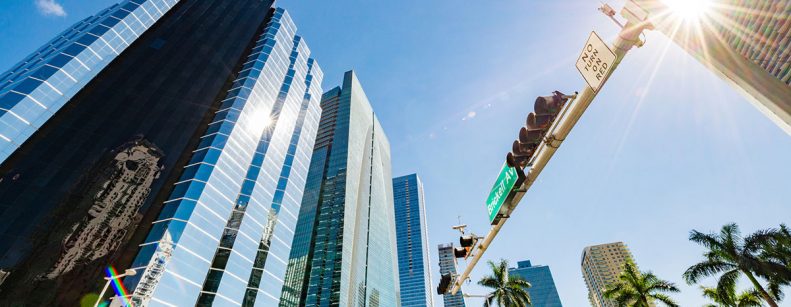
A finales de 2020, el primer año de pandemia, uno de los fundadores de Founders Fund -uno de los fondos de Venture Capital más importantes del Estado de Florida- Delian Asparouhov, escribió un tuit proponiendo “trasladar Silicon Valley a Miami”. “How can I help?” fue la respuesta de Francis Suarez, alcalde de la ciudad famosa por sus playas, fiestas y shopping.
Desde este hecho, la ciudad ha “atraído compañías con USD 2 billones de AUM a Miami; 81 nuevas empresas han agregado USD 1 billones a los salarios de la economía de la ciudad y estamos rankeados número uno en el crecimiento de empleos relacionados con tecnología”, según cuenta el mismo Suarez a DFMÁS.
La traducción de Venture Capital es “Capital de Riesgo”: son inversiones en pequeñas empresas, con un modelo de negocios innovador, que muchas veces están basadas en la utilización fuerte de tecnología y que tienen un gran potencial de crecimiento y escalamiento a otros mercados.
Estas son las denominadas startups, donde lo más importante -según la mayoría de los inversionistas- es el equipo de fundadores. Justamente, el Venture Capital es una especie de “apuesta” sobre los emprendedores, donde muchas veces el retorno puede ser cero, pero en algunas ocasiones, y ojalá la mayoría, el retorno puede ser equivalente a 300x en caso de “dar en el clavo” invirtiendo en el próximo Uber, Cornershop, Netflix o Spotify. Son empresas que en un principio tenían valorizaciones que no superaban el par de millones de dólares, pero que más tarde fueron vendidas en cientos o miles de millones.
Las inversiones en Venture Capital a nivel mundial han crecido exponencialmente, especialmente durante 2021. Es el caso de Miami, donde las inversiones superaron los USD 3.800 millones en 2021, mientras que solo el primer semestre de 2022 han superado los USD 2.500 millones, según PitchBook. Estas cifras solo complementan el hecho de que grandes fondos dedicados a este tipo de activos han multiplicado sus esfuerzos en este nuevo epicentro del emprendimiento norteamericano y latinoamericano: Softbank, Citadel, Andreessen Horowitz, e incluso Microsoft están abriendo oficinas en la ciudad.
Pero no solo eso, los fundadores de los principales unicornios (startups con valorizaciones superiores a USD 1.000 millones) a nivel mundial están eligiendo Miami como su nuevo hogar. De hecho, fundadores de dos de los tres unicornios chilenos ya se trasladaron a Florida: Daniel Undurraga (Cornershop) y Eduardo della Maggiora (Betterfly) son parte de esta tendencia.
A esto hay que sumarle el efecto producido por la pandemia: se aceleró el teletrabajo y los mismos estadounidenses tomaron la iniciativa de trasladarse a Miami al observar que Florida fue uno de los primeros estados en abrir cuando los demás se mantenían cerrados. Los bajos impuestos (no hay impuestos personales) y el buen clima acentuaron esta tendencia.
De hecho, según Financial Times, entre julio de 2020 y julio de 2021, llegaron más de 220 mil estadounidenses a Florida, más que a cualquier otro estado en el país. Ahora, además, están llegando los emprendedores latinoamericanos, marcando una tendencia tan fuerte que incluso se ha visto un aumento en los valores de los arriendos de casi un 50% en Miami.
De esta forma, esta ciudad se ha posicionado como un nuevo epicentro para el Venture Capital latinoamericano, donde las expectativas de inversión no descansan y apuntan a Fondos de la región, que se enfocan en emprendedores locales y que aprovechan las sinergias y la exposición a grandes mercados e inversionistas que, cada vez más, se están instalando en Miami, lo que, lejos de afectar a la inversión en Chile, puede significar un gran impulso para potenciarla.
Por: Tomás Latorre
FYNSA