Fynsa

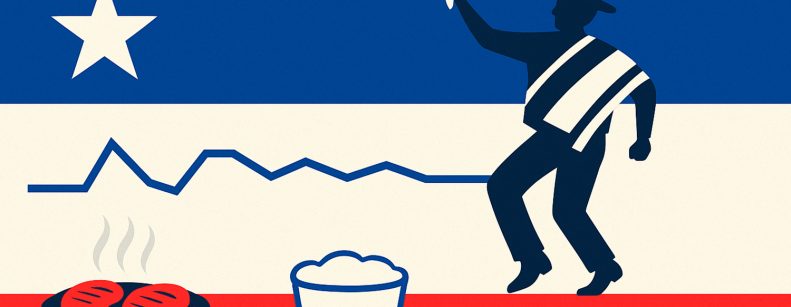
Entre cuecas, asados, terremotos y tacos en todas las salidas de Santiago, una elevada variación del IPC era un invitado tradicional de septiembre. La costumbre dictaba que un alza mensual de 0,5% o 0,7% era normal, usualmente motivada por incrementos de los productos más consumidos por las familias chilenas durante las fiestas: carne, tomate, papas, cebollas, pasajes en bus interurbano, etc. Sin embargo, desde algún tiempo a esta parte, hemos visto un cambio respecto a este comportamiento histórico y casi tradicional.
Por ejemplo, en lo reciente, el IPC de septiembre de 2025 aumentó 0,4% respecto al mes anterior, lo que estuvo en línea con las expectativas del mercado, aunque levemente sobre las nuestras (0,3%). Interanualmente, pasó desde 4,0% a 4,4%, lo que no debiese revestir preocupación ya que se explica por una base de comparación muy baja. En octubre se normalizaría.
Durante el mes, si bien la mayor incidencia positiva la aportó Alimentos, principalmente por alzas en hortalizas y pan, esto fue parcialmente compensado por caídas en carnes, algo que ha venido repitiéndose durante los últimos dos años. Sin embargo, con un detalle: carnes empieza a subir en agosto, cae en septiembre y vuelve a subir en octubre. Saque usted sus conclusiones. En segundo lugar, se ubicó Recreación, deportes y cultura, mientras que en tercer puesto encontramos la división de Vivienda.
Una parte importante del análisis se concentraría en la evolución de la inflación subyacente, especialmente luego de las preocupaciones expresadas por el Ente Rector en su último Informe de Política Monetaria. De esta manera, si bien el IPC sin volátiles también aumentó 0,4% m/m, su componente de servicios evidenció un alza de sólo 0,2%, lo que sería bien recibido por el Central de cara a las preocupaciones que generaban los aumentos de costos laborales y su traspaso a precios de consumidores. En la otra cara de la moneda, los bienes sin volátiles subieron 0,6%, aunque interanualmente solo pasaron de 3,1% a 3,2%.
Si bien no es determinante, el dato podría suavizar el tono neutral que el último comunicado de política monetaria señaló para los movimientos futuros de TPM, abriendo la puerta a que un par de recortes se pudieran ejecutar a fines de 2025 o comienzos de 2026.
Para octubre, esperamos una variación de precios de 0,4% dependiendo de la evolución de alimentos y el impacto total del cyber day, lo que debiese tener efectos opuestos. Con todo, esto llevaría a que la inflación anual pase a 3,8%, convirtiendo a septiembre en el último mes del ciclo en el que la inflación se ubicó sobre 4,0%.