Fynsa


El Aeropuerto Internacional Jorge Chávez, la principal puerta de entrada al Perú, se encuentra en un proceso de transformación que marcará un antes y un después en la infraestructura aeroportuaria del país.
Con un avance del 99,1% —según el Organismo Supervisor de la Inversión en Infraestructura de Transporte de Uso Público (OSITRAN)— y una inversión aproximada de US$ 2 mil millones, este ambicioso proyecto busca no sólo mejorar la experiencia de los pasajeros, sino que también fortalecer la posición de Lima como un centro clave de conexión aérea en Sudamérica.
Bajo este proyecto de modernización y ampliación se contempla la construcción de una nueva terminal de pasajeros y una segunda pista de aterrizaje con 3.480 metros de longitud, lo que permitirá atender —inicialmente— a 30 millones de pasajeros a partir de 2025, duplicando la capacidad actual.
En este sentido, el terminal aéreo pasará de tener 2 millones de m² a más de 9 millones de m², incorporando más espacios comerciales y servicios para los pasajeros. Además, se incorporarán mayores tecnologías de automatización, 180 mostradores check-in, 68 puertas de embarque y 20 nuevas estaciones de auto chequeo. Con estos avances, se espera que el nuevo Jorge Chávez se consolide como un hub regional, facilitando el tránsito de vuelos internacionales y mejorando la red de conexiones para los viajeros.
La modernización del aeropuerto ya refleja un gran impacto en diversos sectores productivos del país:
Hacia un futuro de conectividad
Si bien el proyecto ha experimentado desafíos, como ajustes en los plazos de entrega y costos adicionales, las autoridades han reafirmado su compromiso de entregar un aeropuerto de clase mundial. La nueva pista de aterrizaje ya está operativa desde abril de 2023, y se espera que la nueva terminal entre en funcionamiento el próximo 30 de marzo (a más tardar).
Con este proyecto, Perú da un paso fundamental hacia el futuro, apostando por una infraestructura que garantice mayor eficiencia, comodidad y competitividad en el ámbito aeroportuario.
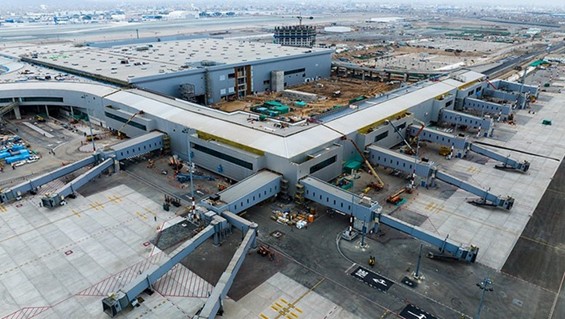 Fuente: Ministerio de Transportes y Comunicaciones Perú (2024).
Armando Herrera
Gerente general Fynsa Perú