Fynsa

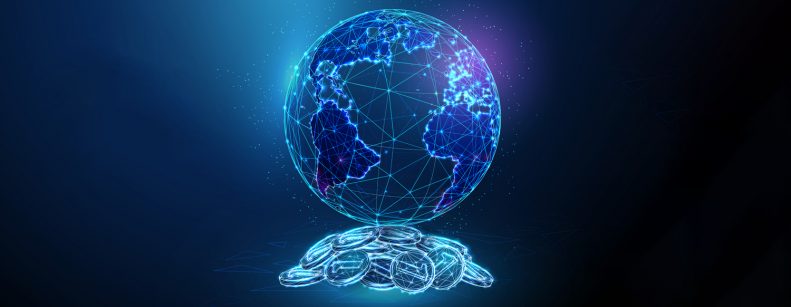
El mundo se encuentra en un profundo proceso de transformación que afecta numerosos ámbitos de la política, la economía y el comercio. Como en toda época de cambios importantes, las situaciones se tornan volátiles, por lo que es más importante que nunca el estar al tanto sobre las principales fuerzas que están empujando esta transformación.
Para navegar en esta nueva realidad, organizamos un webinar en el que Jorge Sahd, director del Centro de Estudios Internacionales de la Pontificia Universidad Católica de Chile, abordó los principales temas que están transformando el mundo.
El primero es el proceso de rebalance del poder que estamos viviendo, con una globalización que pierde fuerza. Las relaciones comerciales son ahora con condiciones, tanto por la crisis climática como por factores de seguridad nacional y por el impulso del comercio entre aliados, señaló Sahd.
La evolución de la guerra en Ucrania, que, tras la breve rebelión de las fuerzas mercenarias de Wagner Group a fines de junio, ha entrado en una nueva fase que trae muchas preguntas sobre cómo va a evolucionar la situación.
La rivalidad entre Estados Unidos y China, con una clara confrontación en los planos tecnológico y militar pero marcada por una importante interdependencia económica. Temas importantes a observar son las elecciones que se realizarán el año que viene en Estados Unidos y en Taiwán, en un marco en el que comienzan a surgir dudas sobre si China está cerca de llegar a su peak de expansión.
La evolución de la Unión Europea, que parece avanzar hacia una posición de autonomía estratégica.
Y finalmente, el riesgo político de América Latina. Se habla mucho de la “marea rosa” a la vista de los gobiernos de izquierda instalados en las principales economías de la región, pero, dice Sahd, lo que vemos en los últimos años es una actitud pendular de los votantes, que más que elegir una ideología votan para oponerse al gobierno de turno. ¿Consecuencia? Volatilidad política y ciclos económicos más cortos.
Puedes ver el webinar completo aquí.