Fynsa

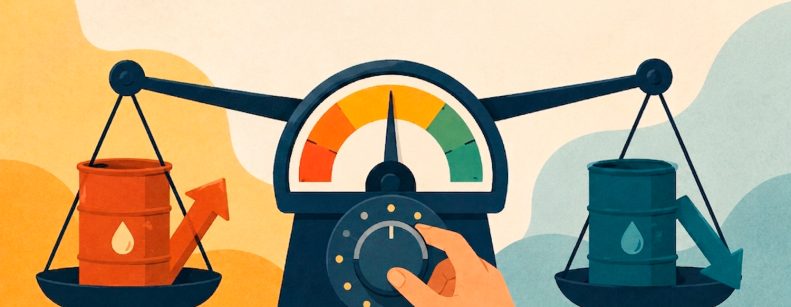
Hemos conocido el IPC de abril, el que aumentó 1,3% respecto al mes anterior, levemente bajo nuestra estimación (1,4% m/m) y la del mercado (1,6% m/m). No es sorpresa que, de la pronunciada alza, 1,1 puntos porcentuales puedan atribuirse al aumento del precio de los combustibles, causada por el cambio de parámetros del MEPCO. De esta manera, la inflación interanual pasó de un controlado 2,8% a un riesgoso 4,0%, lo que ha levantado alarmas hacia adelante, especialmente si las presiones de costo terminan traspasándose a precios finales de consumidores.
Es así como el comunicado de ENAP respecto al precio de los combustibles de esta semana cobraba especial relevancia, dado que por metodología correspondía realizar un ajuste dependiendo del comportamiento de una serie de variables, entre ellas, el precio del crudo. Si bien hace algunos días éste parecía dar una tregua luego de la apertura del estrecho de Ormuz, los consiguientes ataques entre EE.UU. e Irán y los sucesivos bloqueos portuarios intensificaron la escalada del petróleo, ubicándose en máximos del año. Así, lo que en un momento pareció se convertiría en una caída del precio local, rápidamente se transformó en expectativa de una nueva alza.
Sin embargo, ante este riesgo, el gobierno nuevamente procedió a cambiar parámetros del MEPCO; en particular aquel que dicta cuantas semanas se toman en cuenta para calcular el promedio móvil hacia atrás. Así, con el nuevo parámetro, el promedio consideraría aquella semana en que los precios estuvieron más bajos, lo que frenaría un potencial alza de bencinas e, incluso, provocaría una caída del petróleo diésel. Finalmente, esto fue lo que terminó ocurriendo, por lo que gran parte de mayo estaría regido por un precio promedio más bajo que abril, incidiendo negativamente en el IPC de este mes.
A ver, no es primera vez que se hace ni será la última. Otros gobiernos han recurrido a este mecanismo para moderar incrementos poco populares en la población general, sumado a los potenciales efectos inflacionarios que estos causan. Sin embargo, esto ocurre a casi un mes en que el cambio de parámetros fue justamente en la dirección contraria, lo que permitió básicamente el ajuste brusco de precios hacia el consumidor, explicando el elevado registro de IPC que acabamos de conocer. Esto hace que el mecanismo pierda efectividad, se transforme en un controlador de precios más que en un suavizador y dificulte la predictibilidad de los precios hacia adelante, lo que potencialmente podría afectar las expectativas de inflación relevantes.
La existencia de un mecanismo que suavice la variación de precios mediante un fondo es resultado de más de una década de prueba y error con otros sistemas menos eficientes y/o más caros para el Estado. Si bien históricamente el MEPCO no era el sistema último, ya que era solo una transición a uno que no funcionaría con fondos sino con una serie de operaciones de derivados, aprendimos a vivir con él dada su efectividad y raciocinio detrás. Si no lo dejamos operar, es lo mismo que no existiera y que las decisiones sobre los precios de los combustibles se hicieran de manera completamente discrecional. En un país en el que toda la institucionalidad económica ha migrado hacia reglas, nos parece que no dejar operar los sistemas es un retroceso que, finalmente, termina causando más daño que bien.