Fynsa

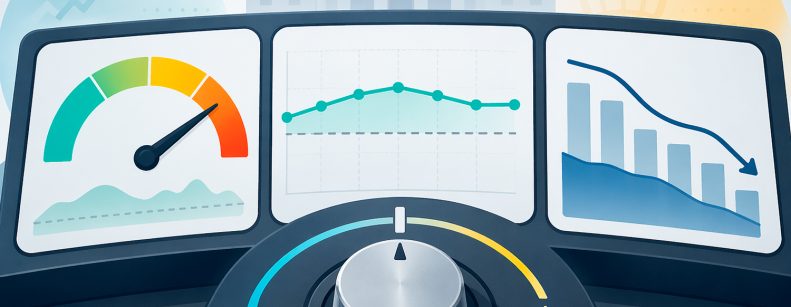
Durante la próxima semana, el Consejo del Banco Central se reunirá para una nueva reunión de política monetaria, en esta oportunidad correspondiente a abril. Desde que el shock de oferta provocado por el cambio de parámetros del MEPCO y el casi total traspaso del alza del precio del petróleo a combustibles locales, el Central entró en modo defensivo y mencionó que el manejo de la política monetaria se evaluaría reunión a reunión. Sin embargo, no queda muy claro cuáles serán las variables o tendencias que se considerarán para cambiar o mantener el curso que en ese momento esté teniendo, justamente, la política monetaria. En estas breves líneas trataré de esbozar qué creo yo que estará presente en el dashboard que los Consejeros estarán mirando al momento de reunirse.
En primer lugar, y por la prontitud en que esto pueda cambiar, creo que seguir observando expectativas ancladas será clave para que la TPM se siga manteniendo en su actual nivel de 4,5%. Una primera prueba de fuego se observó luego de la publicación de la Encuesta de Expectativas Económicas (EEE) de abril, revelada luego de la sorpresa inflacionaria de marzo (1,0% m/m), que aumentó la estimación para la inflación de fin de año y aquella de 12 meses, pero se mantuvo en 3,0% para el horizonte de dos años. La siguiente EEE se publicará luego de conocer el IPC de abril, el que se espera sea más alto que el de marzo, producto de la metodología que tiene el INE para contabilizar los precios de combustibles. En el caso de observar una nueva sorpresa, habrá que ver si los agentes continúan alineados con la promesa del Ente Emisor o incorporan que habrá un porcentaje que se les irá de las manos.
En segundo lugar, aunque esto podría tardar un poco más en manifestarse, evidencia de efectos de segunda vuelta importantes (y no solo de indexaciones esperadas de una sola vez) pondría en alerta a la autoridad monetaria, la que inmediatamente tomaría cartas en el asunto. Sin embargo, creemos que para que los efectos sean significativos, la actividad debería entrar en una fase de franca expansión, lo que por el momento no está presente.
Finalmente, sin olvidar que hay riesgos hacia ambos lados, es posible que la materialización de varios riesgos geopolíticos, más los efectos nocivos en la actividad de un precio del petróleo permanentemente más alto, provoquen una ralentización en la demanda interna importante. Tanto, que una apertura de brechas significativa cause presiones deflacionarias. Ante un evento como este, sería necesaria una política monetaria expansiva, lo que se traduciría en una TPM menor al nivel actual.
Como vemos, son múltiples las variables que el Central está mirando para saber hacia dónde orientará su siguiente paso. La próxima reunión será importante para saber hacia qué lado se está inclinando la balanza, si es que lo está haciendo.