Fynsa

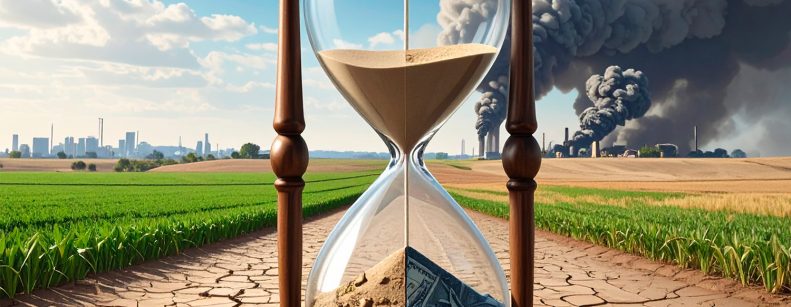
El Banco Mundial lanzó una advertencia directa: la contaminación ya no es solo un problema ambiental, sino una amenaza económica de primer orden. Según un nuevo informe, el 90% de la población mundial enfrenta al menos uno de tres problemas críticos —aire tóxico, degradación de suelos o escasez de agua— y en los países de menores ingresos la situación es aún más dramática: 8 de cada 10 personas sufren simultáneamente los tres.
El costo económico de esta crisis es monumental. La degradación de tierras le cuesta al mundo US $379.000 millones cada año, lo que equivale a un 8% de la producción agrícola global. La deforestación amazónica por sí sola implica pérdidas cercanas a los US $14.000 millones anuales, y la contaminación atmosférica reduce la productividad laboral, incrementa los costos en salud y provoca millones de muertes prematuras cada año.
El informe también subraya que el estrés hídrico afecta al 25% de la población mundial, y que la mala gestión de recursos naturales amplifica fenómenos como migraciones forzadas, volatilidad en precios de alimentos y mayor vulnerabilidad de los sistemas financieros.
Para el Banco Mundial, la vieja idea de que los países deben crecer primero y “limpiar después” ya no es viable. “El costo de la inacción es mucho mayor que el de actuar de inmediato”, advirtió Richard Damania, economista jefe del grupo de Desarrollo Sostenible del Banco Mundial y coautor del estudio.
El llamado llega en un momento clave: con la COP30 a la vista, el organismo urge a que las políticas económicas incorporen la sostenibilidad como un eje central, no como un accesorio. Además, plantea la necesidad de fortalecer inversiones en tecnologías limpias, mercados de carbono y financiamiento climático.
Pese a los ajustes presupuestarios globales, Axel van Trotsenburg, director ejecutivo del Banco Mundial, reiteró el compromiso de la institución: “No vacilaremos en nuestra misión de erradicar la pobreza en un planeta habitable”.
Fynsa