Fynsa


El club exclusivo del crédito bancario
Aunque las tasas comerciales han bajado y los bancos muestran solidez bajo Basilea III, la fiesta del crédito no es para todos. Las grandes empresas mejoraron sus balances, redujeron su carga financiera y volvieron a encaminarse.
Las pequeñas y medianas empresas (pymes), en cambio, siguen atrapadas en la resaca de la pandemia. Muchas aún arrastran los efectos de los créditos FOGAPE y, como señala el Banco Central en su Informe de Estabilidad Financiera (IEF), sus indicadores no muestran signos claros de recuperación.
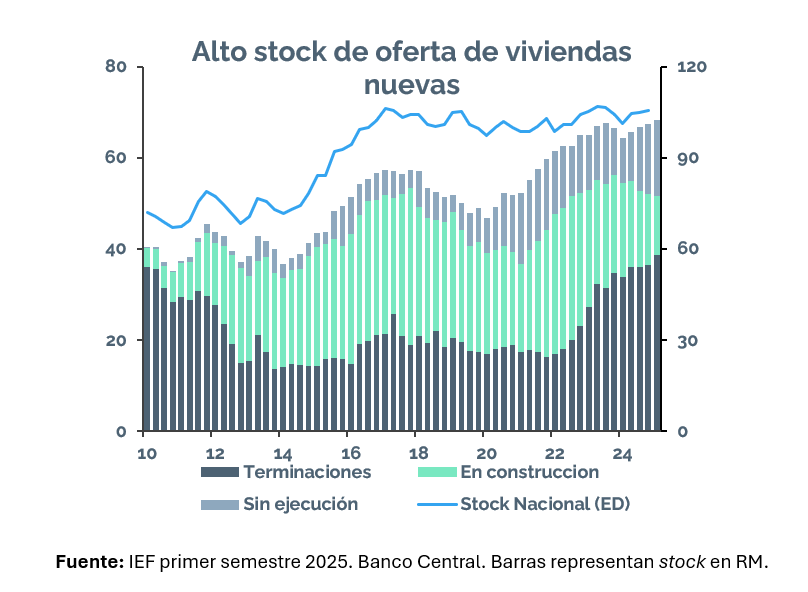
El sector inmobiliario residencial también sigue en cuidados intensivos: las ventas caen, el stock de viviendas terminadas aumenta, y el inventario disponible ya roza los dos años. Aunque los precios subieron levemente, lo que hay detrás no es recuperación, sino presión por liquidar antes de que la demanda se hunda del todo.
Y sí, las tasas hipotecarias bajaron, pero siguen altas: 4,4% real en marzo de 2025, lejos del mínimo de 2% prepandemia. Con demanda débil y financiamiento escaso, el sector camina al borde del abismo.
La puerta que se abre cuando el banco la cierra
Aquí es donde aparece la deuda privada. No como el “salvavidas alternativo de siempre” —ese discurso ya aburre—, sino como una solución que se adapta a contextos empresariales más diversos.
La banca, en su función sistémica, opera bajo marcos regulatorios estrictos, con foco en liquidez, solvencia estandarizada y garantías tradicionales. Es comprensible, está bien: ese es su rol. Pero también significa que muchas empresas —incluso buenas— quedan fuera.
Porque sí hay pymes golpeadas. Pero también hay negocios bien gestionados, con productos sólidos y demanda real, que simplemente no encajan con el molde bancario. No por falta de mérito, sino por falta de espacio.
Ahí entra la deuda privada: con capacidad de mirar distinto. No para asumir riesgos ciegos ni competir con la banca, sino para aplicar análisis igual de rigurosos, pero con mayor flexibilidad. Para entender modelos distintos, flujos de caja no lineales o garantías no convencionales.
Diversificar es urgente
El ecosistema financiero chileno necesita más que resiliencia: necesita diversidad. Mientras el crédito bancario se concentra —como debe ser— en perfiles conservadores, crece el espacio para que inversionistas institucionales y fondos identifiquen valor donde hoy pocos miran.
Esto no es filantropía financiera. Es visión.
Porque la rentabilidad no vive sólo en el “investment grade”. A veces está justo al lado, esperando que alguien cruce la calle.
Vicente Dourthé, CFA
Portfolio Manager Deuda Privada Fynsa AGF