Fynsa

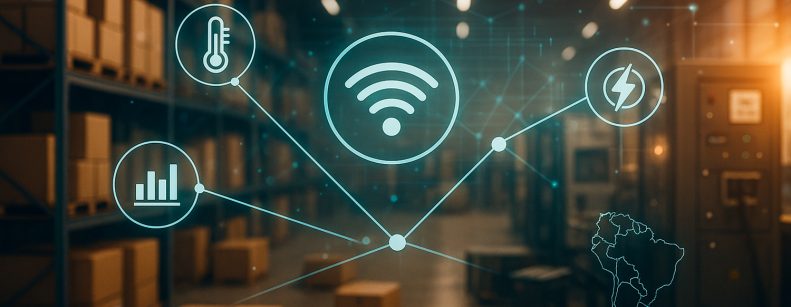
En plena transformación digital, el Internet de las Cosas (IoT, por sus siglas en inglés) representa una nueva etapa en la eficiencia operativa y la toma de decisiones basada en datos. Este concepto se refiere a la conexión de dispositivos físicos a internet, permitiendo que recojan, transmitan y actúen sobre información en tiempo real. Desde sensores en bodegas hasta medidores de energía en plantas industriales, el IoT no sólo optimiza procesos, sino que también abre nuevas oportunidades de inversión y crecimiento estratégico.
Según McKinsey, el valor económico potencial del IoT podría superar los 12 billones de dólares anuales hacia 2030, con un fuerte impacto en sectores como manufactura, energía, agricultura y salud. En Latinoamérica, y especialmente en Chile, esta transformación ya está en marcha. Empresas de rubros como logística, minería y energía están incorporando soluciones IoT para mejorar la trazabilidad, reducir costos y anticipar fallas, generando así ventajas competitivas en mercados cada vez más exigentes.
Desde una mirada financiera, el IoT entrega nuevas fuentes de datos relevantes para la evaluación de riesgos, la valorización de activos y la toma de decisiones de inversión. Por ejemplo, una empresa agrícola que anticipa fenómenos climáticos mediante sensores mejora su rentabilidad, mientras que una inmobiliaria que automatiza el consumo energético en sus propiedades se vuelve más atractiva para inversionistas que priorizan eficiencia y sostenibilidad.
En el caso de Chile, el crecimiento del IoT ha estado impulsado por sectores estratégicos. En minería, sensores conectados permiten monitorear condiciones operativas en tiempo real, reduciendo riesgos y aumentando la seguridad. En energía, los medidores inteligentes están redefiniendo la relación entre clientes y proveedores, fomentando un uso más eficiente y flexible de los recursos. Estas iniciativas también responden a los compromisos de sostenibilidad y transformación digital asumidos por muchas empresas locales.
No obstante, la expansión del IoT plantea desafíos importantes en alfabetización tecnológica, infraestructura digital y ciberseguridad. A medida que aumenta la cantidad de objetos conectados, también lo hacen los puntos vulnerables ante posibles amenazas. Por ello, la comprensión de esta tecnología no sólo es relevante para los equipos técnicos, sino que también para líderes, gestores de inversión y tomadores de decisiones estratégicas.
En este contexto, el Internet de las Cosas se consolida como una herramienta clave para la eficiencia, la innovación y la ventaja competitiva. Las empresas que logren integrar capacidades digitales con una visión estratégica serán las mejor posicionadas para enfrentar los desafíos —y aprovechar las oportunidades— del futuro.
Fynsa