Fynsa


En el último tiempo, el acceso al crédito bancario se ha vuelto cada vez más exigente. En este contexto, la deuda privada ha ido ganando protagonismo como una fuente clave de financiamiento en distintos mercados, como el de las pequeñas y medianas empresas (pymes) y el mercado inmobiliario, entre otros. Este fenómeno, ya presente en otros países de la región, comienza a consolidarse también en Chile, impulsado por la necesidad de contar con alternativas de financiamiento y por el atractivo de mayores retornos para los inversionistas.
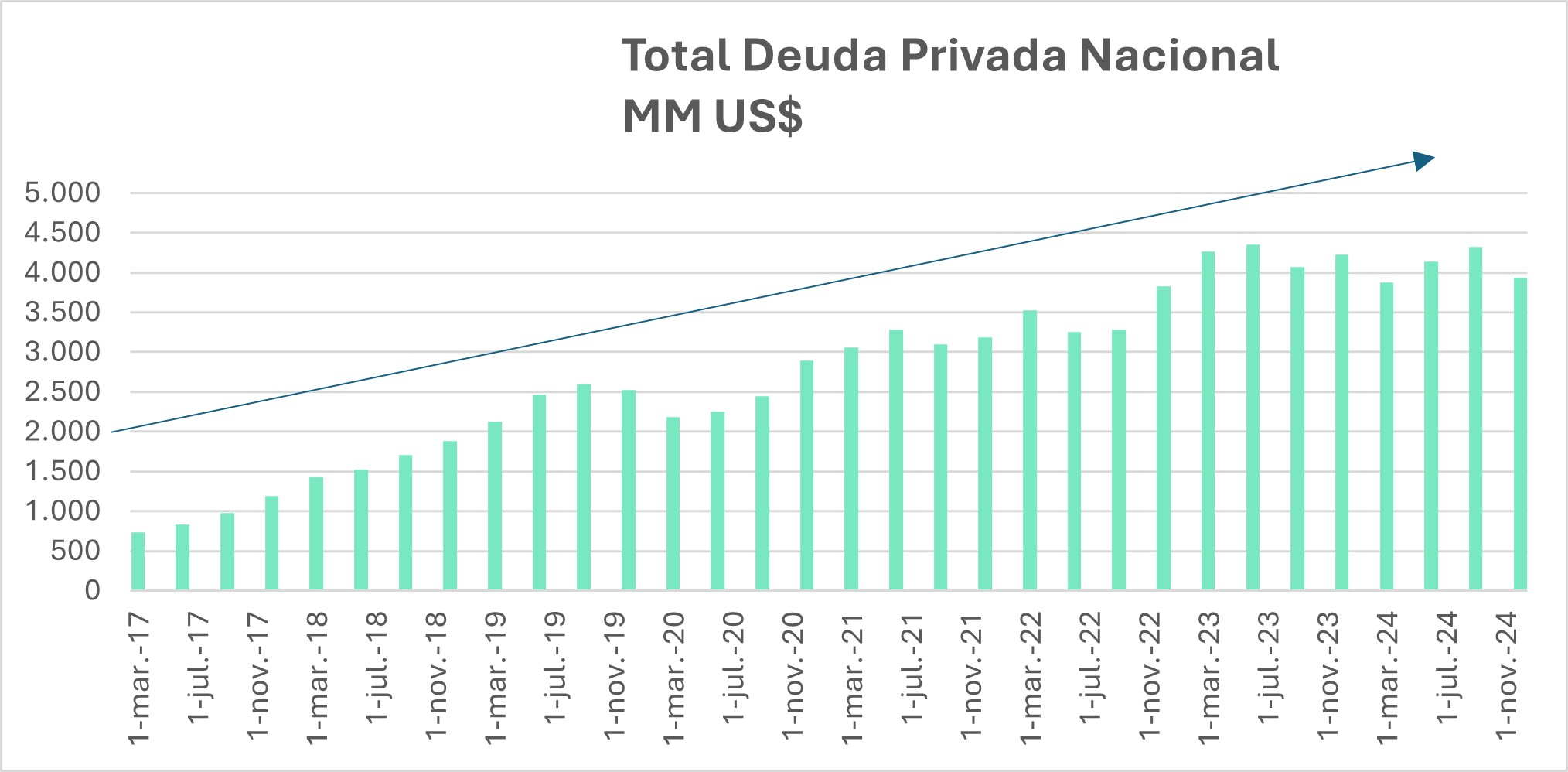
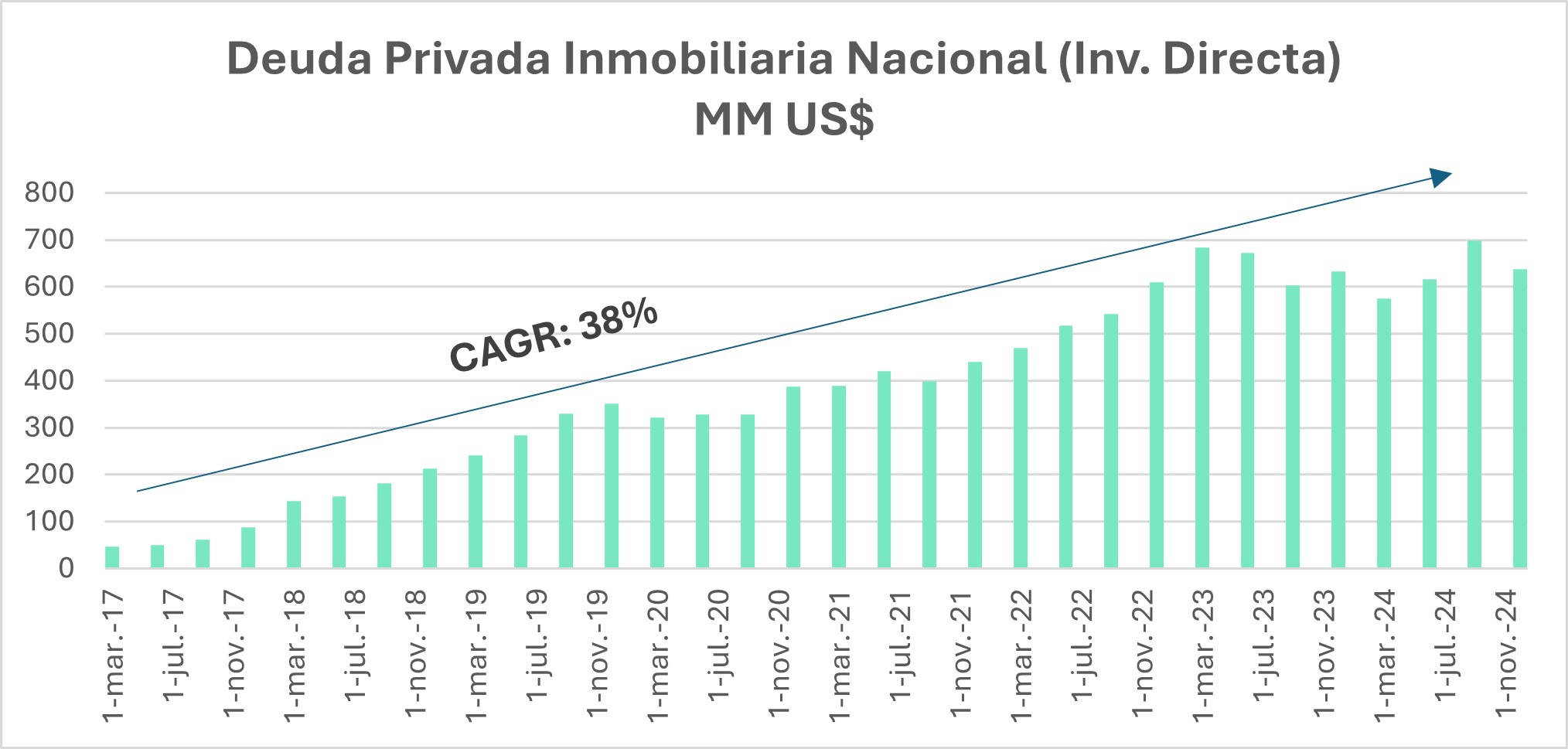
Como reflejo de esta tendencia, los fondos que invierten en deuda privada en Chile han registrado un crecimiento significativo desde 2017. En ese período, la Tasa de Crecimiento Anual Compuesta (CAGR, por sus siglas en inglés) del patrimonio de los Fondos de Deuda Privada ha sido de un 23%, mientras que la de los Fondos de Deuda Privada Inmobiliaria alcanza un 38%.
Cambios en el Escenario Financiero
En los últimos años, los bancos en Chile han endurecido progresivamente sus condiciones y restricciones crediticias, en especial hacia el sector inmobiliario. El alza en las tasas de interés, junto con las nuevas exigencias de capital derivadas de la implementación de Basilea III, ha llevado a la banca a exigir mayores garantías y adoptar una postura más conservadora frente al riesgo. Esto ha afectado particularmente a los desarrolladores medianos y pequeños, quienes enfrentan crecientes dificultades para financiar sus proyectos.
Ante esta situación, los fondos de deuda privada —estructuras de inversión no bancarias que otorgan créditos directamente a empresas— han emergido como una alternativa ágil, flexible y cada vez más relevante en el mercado local.
Pero, ¿qué es la Deuda Privada y quiénes la usan?
La deuda privada se refiere a préstamos otorgados fuera del sistema bancario tradicional, generalmente por inversionistas institucionales, family offices o plataformas fintech. Aunque estos créditos suelen tener tasas de interés más altas que las bancarias, ofrecen una mayor flexibilidad en cuanto a plazos, condiciones y estructuras, lo que los convierte en una alternativa atractiva tanto para emisores como para inversionistas.
Deuda Privada Inmobiliaria: Beneficios y riesgos
Sin embargo, también existen riesgos, tales como:
Perspectivas para la clase de activo
Todo indica que la deuda privada seguirá ganando espacio en Chile. La incertidumbre macroeconómica, combinada con una necesidad estructural de más viviendas, crea un entorno propicio para que estos instrumentos se institucionalicen.
Además, el interés por parte de inversionistas sofisticados y la aparición de plataformas tecnológicas, que permiten originar y estructurar préstamos de forma más eficiente, están profesionalizando el sector.
En conclusión, la deuda privada ya no es sólo una alternativa; se está convirtiendo en un actor estructural del ecosistema inmobiliario chileno, impulsando al sector en momentos en que los inversores y prestamistas tradicionales se han mostrado más cautos.
Para los desarrolladores que buscan financiamiento y para los inversionistas que buscan retornos reales en un entorno de moderación inflacionaria, este es un espacio que vale la pena mirar con atención.
José Pablo González
Portfolio Manager Deuda Privada Fynsa AGF