


Fynsa


Durante años, el wealth management y el asset management operaron en carriles separados. Mientras el primero se enfocaba en preservar capital y atender metas personales, el segundo se enfocaba en decisiones cuantitativas orientadas a rendimientos óptimos. Hoy, esta distinción se vuelve difusa. Factores como la inflación persistente, los ciclos económicos desalineados y la fragmentación geopolítica han acelerado la integración entre ambos modelos.
Las herramientas tradicionales del asset management —como el análisis de factores de riesgo, la asignación táctica y el uso de activos alternativos— ya no son exclusivas de grandes fondos. Según el PWM Global Asset Tracker 2025, dos tercios de los CIO de banca privada están adoptando marcos dinámicos de inversión similares a los institucionales, en respuesta a un entorno cada vez más volátil.
De la estrategia estática al portafolio total
El modelo clásico de cartera 60/40 ha mostrado limitaciones en un contexto donde la correlación entre acciones y bonos ya no brinda la cobertura esperada. Gestoras como BlackRock y UBS destacan que incluir un 15% de activos privados mejora el perfil riesgo-retorno y aumenta la resiliencia de los portafolios.
Hoy, la arquitectura de cartera tiende a ser holística: combina acciones, bonos, activos reales, liquidez y estrategias alternativas en una matriz de decisiones personalizada. Esta sofisticación también permea la gestión patrimonial, donde family offices y multifamily offices adoptan metodologías como la estructuración del riesgo (risk budgeting) o la inversión basada en objetivos (goals-based investing), alineando cuantitativamente la estrategia con las metas del cliente, una práctica común en grandes fondos y cada vez más frecuente en family offices sofisticados. 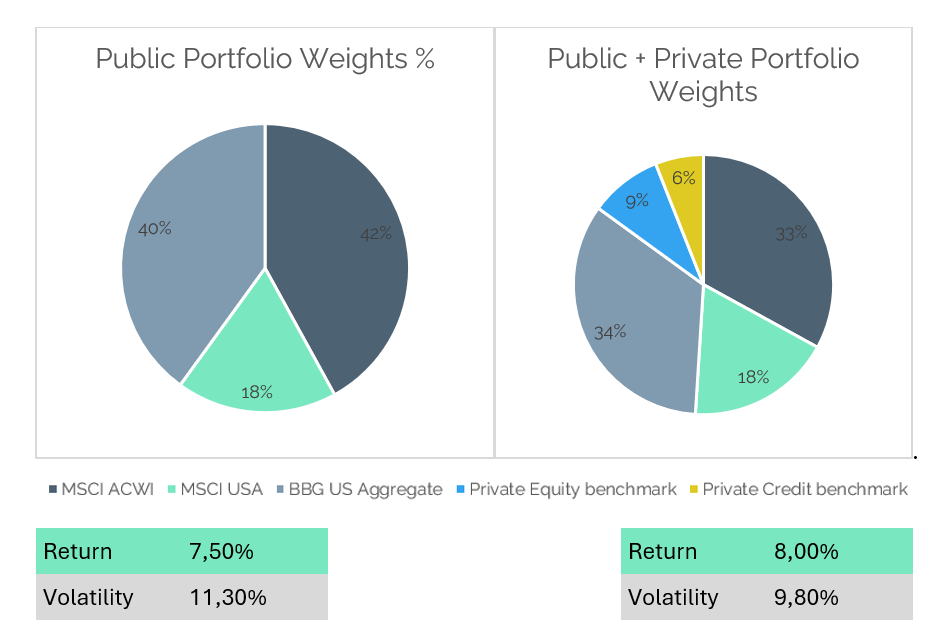
América Latina y Chile: hacia la institucionalización del Wealth
Chile es un caso ejemplar en esta convergencia. Su ecosistema local, con una base normativa sólida y creciente sofisticación, ha facilitado la adopción de vehículos internacionales, estrategias alternativas y plataformas tecnológicas que democratizan el acceso a soluciones institucionales. Según Cerulli, Chile lidera la región en penetración de activos alternativos entre inversionistas de alto patrimonio.
Este fenómeno responde tanto a la necesidad de diversificación como a una mayor conciencia del riesgo sistémico. En un contexto de shocks externos recurrentes, los clientes exigen soluciones con niveles de sofisticación comparables a los institucionales, sin sacrificar la personalización.
Gestión activa en un entorno de disrupción
En este entorno de incertidumbre estructural, las administradoras de fondos —incluyendo AGF y asset managers independientes— han ganado protagonismo. Su capacidad para monitorear mercados en tiempo real, aplicar modelos de riesgo avanzados y reestructurar carteras con agilidad les permite adaptarse rápidamente a nuevos escenarios macroeconómicos.
La gestión dinámica, la rotación táctica entre geografías y sectores, y el aprovechamiento de ventanas de entrada en activos alternativos se han vuelto prácticas comunes. Esta capacidad de acción táctica, antes reservada a grandes institucionales, hoy está disponible también en gestoras que atienden a clientes individuales sofisticados, mediante soluciones a medida y en plazos oportunos.
Una frontera que se disuelve
La convergencia entre asset y wealth management no es una moda, sino una respuesta estructural a los desafíos actuales del mercado. Implica un cambio de mentalidad: del asesoramiento artesanal a una gestión integral y cuantitativa, donde la cercanía al cliente convive con una arquitectura técnica avanzada.
En este nuevo paradigma, los inversionistas acceden a carteras más robustas, diversificadas y alineadas con sus objetivos de largo plazo. La frontera entre banca privada e inversión institucional se diluye en favor de un modelo híbrido más eficiente, riguroso y adaptado a los tiempos que corren.
Juan Manuel Alessandrini
Analista Fondos Internacionales Fynsa AGF


