Fynsa

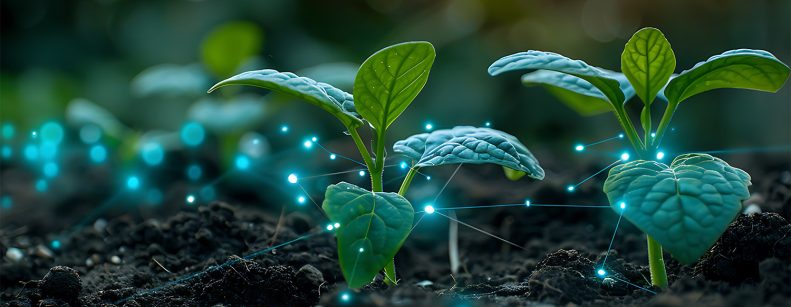
Los esfuerzos por capturar y almacenar CO2 de la atmósfera para combatir el cambio climático están a la orden del día. Una de las líneas que están siguiendo varios emprendimientos en el mundo apunta a la utilización de microorganismos en la agricultura para capturar y fijar carbono de la atmósfera.
Entre ellas destaca Andes (Andes), empresa con sede en California, cuyo CEO y cofundador es el chileno Gonzalo Fuenzalida. Asimismo, está la australiana Loam Bio y la israelí Groundworks Bio. Estos emprendimientos han recaudado cientos de millones de dólares en los últimos años y están enfocados en aumentar la superficie agrícola que utiliza sus soluciones.
En el caso de Andes —que ha contado en sus rondas de financiamiento con empresas como Bayer, Yamaha Motors y Voyager VC—, se utilizan microorganismos que se combinan con las semillas que crecen con las raíces de las plantas y aceleran la captura de CO2 y su conversión en minerales. La empresa ha desarrollado una metodología para medir el carbono capturado y certificarlo de forma que estas capturas puedan ser vendidas en el mercado de certificados de carbono. La compañía aplicó su solución en 30 mil hectáreas de cultivos en Estados Unidos durante 2023.
Loam Bio, por su parte, ha implementado un tratamiento para semillas, donde, a través de las raíces que genera, permite el desarrollo de redes de hongos beneficiosos que aceleran la captura de CO2 de la atmósfera y su fijación en los suelos, mejorando además su rendimiento. La compañía está usando su tecnología en 100 mil hectáreas en Australia.
Groundworks ha desarrollado una tecnología de inoculación para permitir el crecimiento de microrrizas —simbiosis de hongos y raíces de plantas— que antes se producían de forma natural, pero que han ido desapareciendo con la utilización de las técnicas modernas de cultivo.
El sistema de Grounworks permite recuperar estos microorganismos y mejorar el rendimiento y la calidad del suelo, permitiendo la captura efectiva de CO2 de la atmósfera. La empresa logró, a fines del año pasado, la aprobación de uno de sus productos para su comercialización en China, Argentina y Sudáfrica, mercados que se suman a potencias agrícolas donde ya se utilizan, como Brasil, Estados Unidos e India.